Fairy Orchid
$40.00 USD
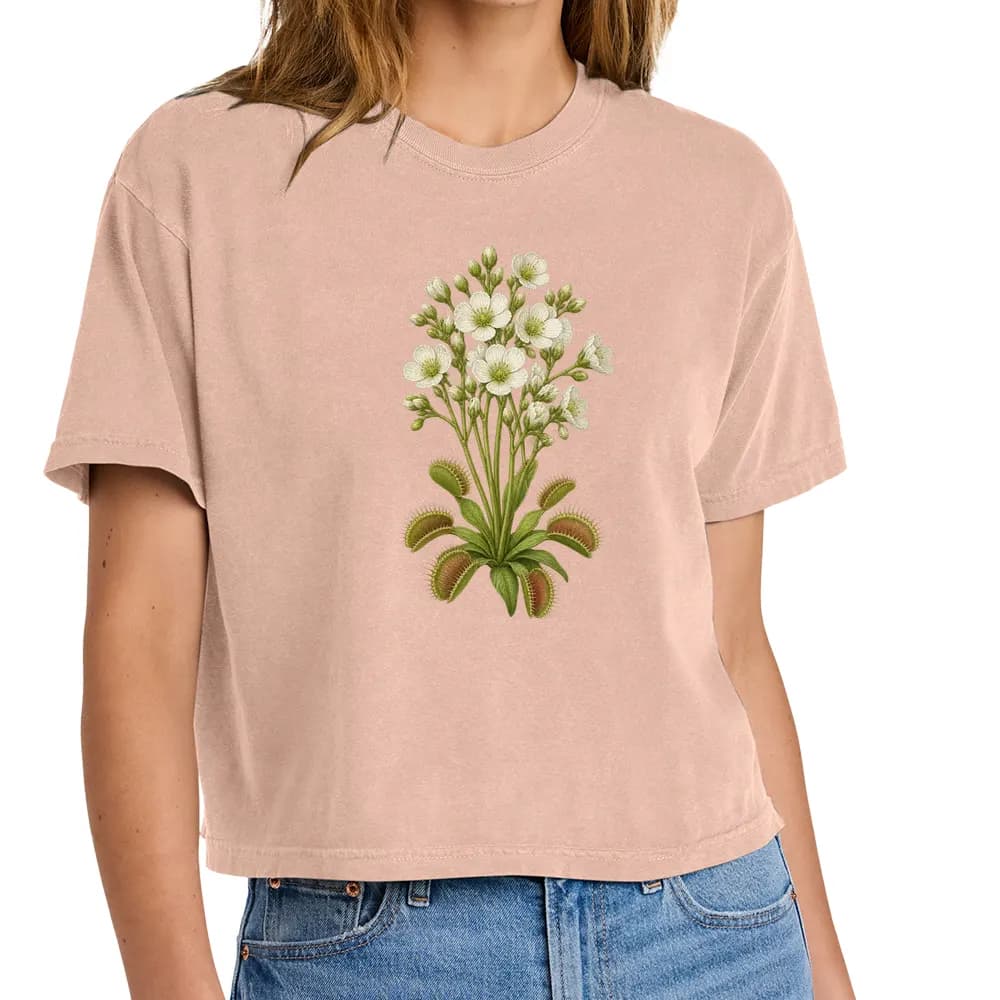
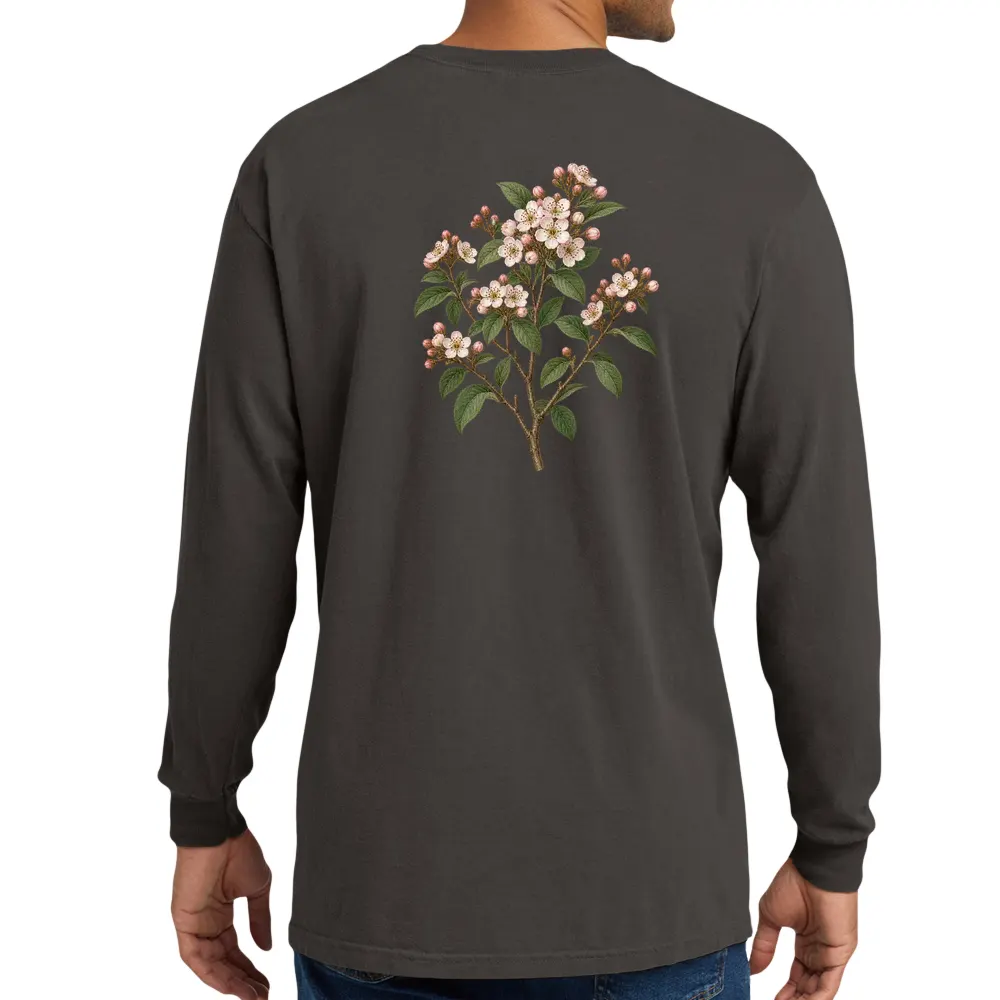
Created in the tradition of 19th-century botanical plates, then reviewed by hand before it goes anywhere near a shirt. Yours is printed fresh when you order it.
Style: Short Sleeve
Description
This women's tee is made from 6.1 oz 100% ring-spun US cotton in a boxy, slightly cropped mid-length cut. It features a topstitched ribbed collar, shoulder-to-shoulder twill tape, a seamless body, and a double-needle bottom hem. Dyed with OEKO-TEX certified low-impact dyes in a WRAP-certified facility, using a salt-free clean pigment process that uses about half the water of conventional pigment dyeing. Boxy fit, sizes S–2XL — it runs close to the body, so size up for a looser drape. Slight shade variation between garments is normal.
Size Chart
Garment measurements in inches, laid flat.
| Size | Body length | Body width |
|---|---|---|
| S | 20" | 18 1/4" |
| M | 21" | 20 1/4" |
| L | 22" | 22" |
| XL | 23" | 24" |
| 2XL | 24" | 26" |
The blank
Shipping
Returns
Meet fairy orchid
Nidema ottonis (Rchb.f.) Britton & Millsp.
Fairy orchid grows above the ground as an epiphyte. A Brazilian field study found several plants on tall Aldina heterophylla trees, demonstrating how a small orchid can inhabit a much larger tree’s branches. That collection, made in 2014, documented the species in Amazonas after an earlier Brazilian record from Acre. Krahl et al. (2014), Nidema ottonis: confirmation in Brazil and first record for Amazonas
Native range
Kew places its native distribution across tropical America, primarily in wet tropical environments. The Brazilian study records it from the West Indies and mainland areas between Honduras, Guyana and Bolivia, with confirmed Brazilian occurrences in Acre and Amazonas. Kew POWO: Nidema ottonisKrahl et al. (2014), Nidema ottonis: confirmation in Brazil and first record for Amazonas
Explore this plant's botanical story