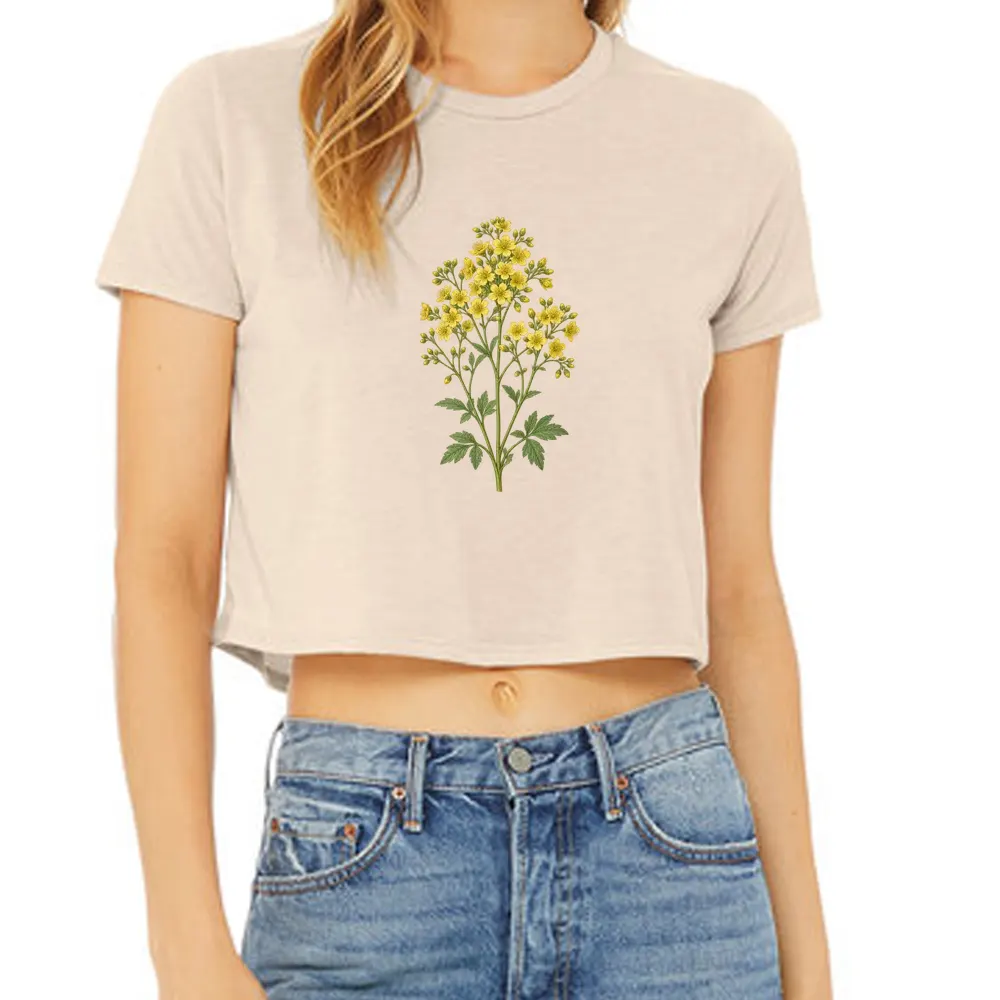
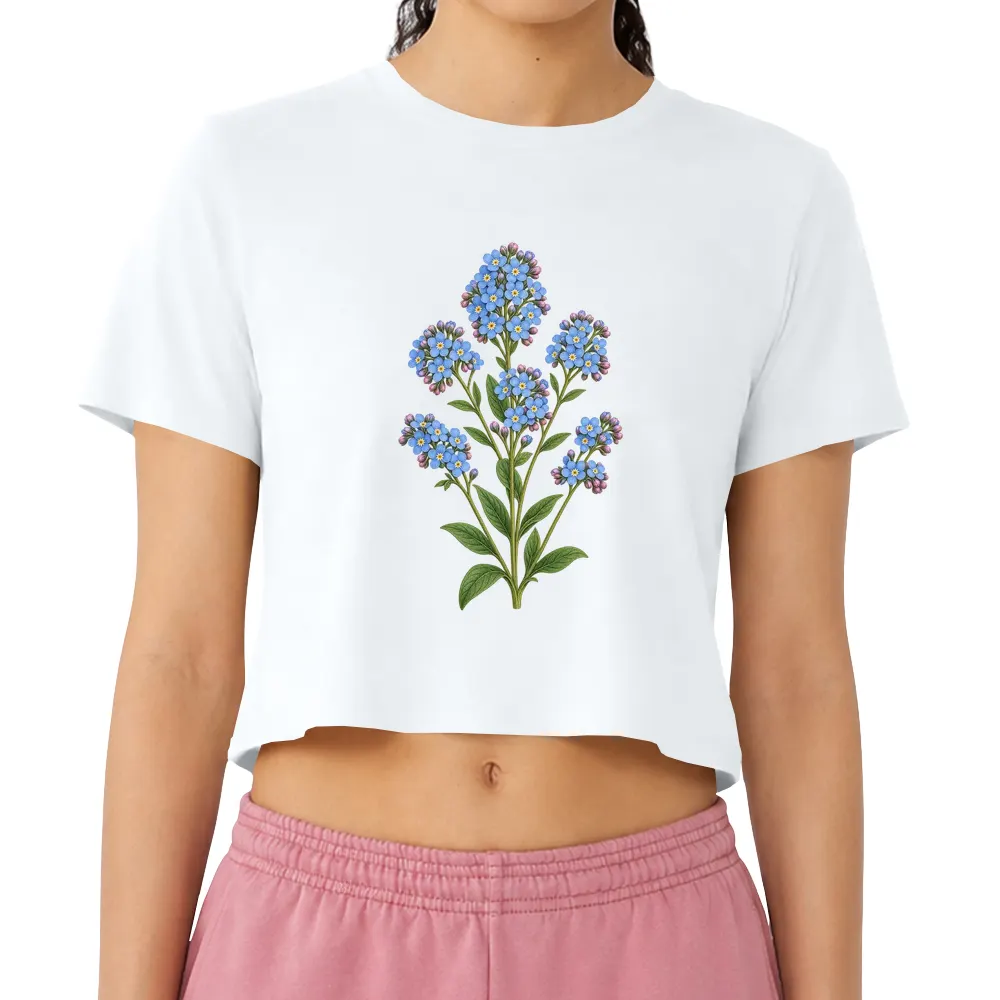
Lavender
$40.00 USD
Created in the tradition of 19th-century botanical plates, then reviewed by hand before it goes anywhere near a shirt. Yours is printed fresh when you order it.
Style: Short Sleeve
Description
This women's tee is made from 6.1 oz 100% ring-spun US cotton in a boxy, slightly cropped mid-length cut. It features a topstitched ribbed collar, shoulder-to-shoulder twill tape, a seamless body, and a double-needle bottom hem. Dyed with OEKO-TEX certified low-impact dyes in a WRAP-certified facility, using a salt-free clean pigment process that uses about half the water of conventional pigment dyeing. Boxy fit, sizes S–2XL — it runs close to the body, so size up for a looser drape. Slight shade variation between garments is normal.
Size Chart
Garment measurements in inches, laid flat.
| Size | Body length | Body width |
|---|---|---|
| S | 20" | 18 1/4" |
| M | 21" | 20 1/4" |
| L | 22" | 22" |
| XL | 23" | 24" |
| 2XL | 24" | 26" |
The blank
Shipping
Returns
Meet lavender
Lavandula L.
Lavenders are best known for fragrance, but the genus includes a wider variety of forms than a single row of purple garden plants suggests. Most are small shrubs, though some are herbaceous. Their aromatic foliage is used in perfumery and household products, and both leaf shape and flower display vary among species. NC State Extension: LavandulaFlora of China: Lavandula
Native range
The native distribution stretches from the Atlantic islands of Macaronesia through the Mediterranean, parts of Africa and southwestern Asia toward India. The genus includes plants from both European and non-European landscapes. Kew Plants of the World Online: Lavandula
Ecological relationships
North Carolina Extension identifies cultivated lavenders as nectar plants for bees and butterflies. NC State Extension: Lavandula
Explore this plant's botanical story