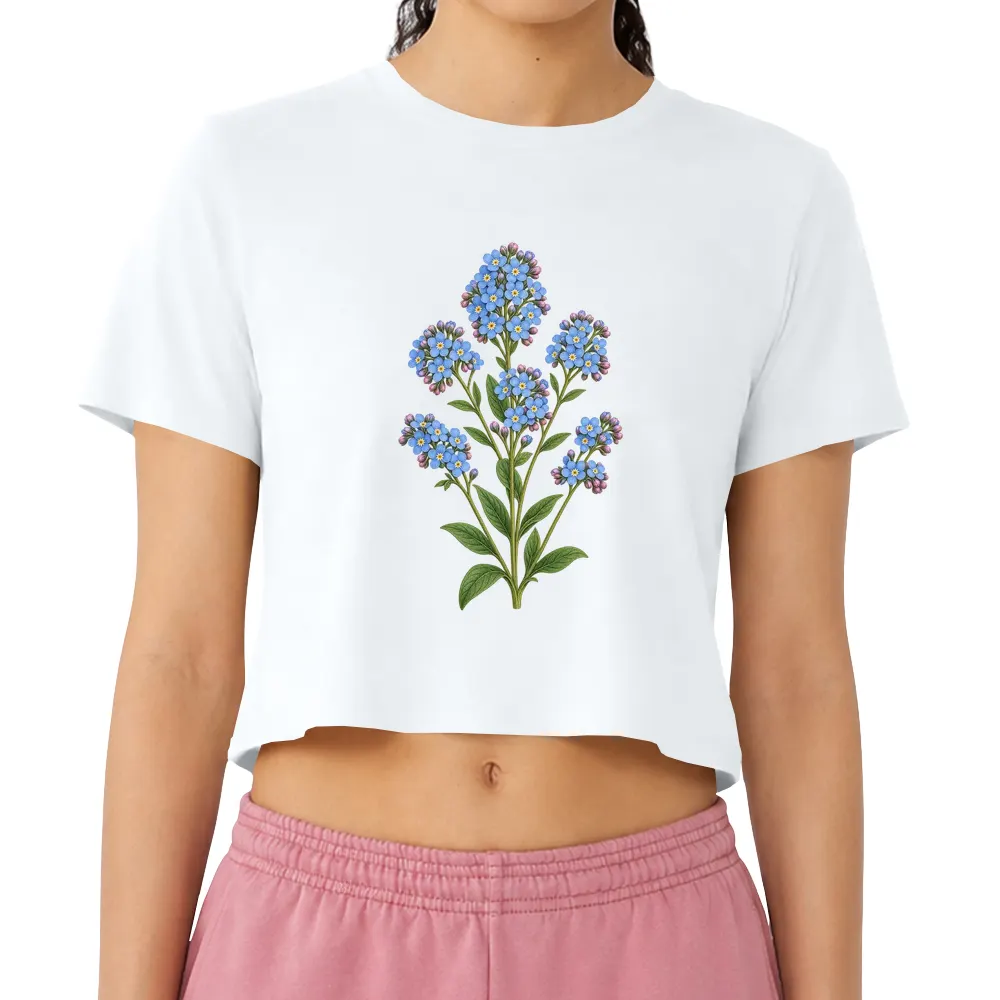
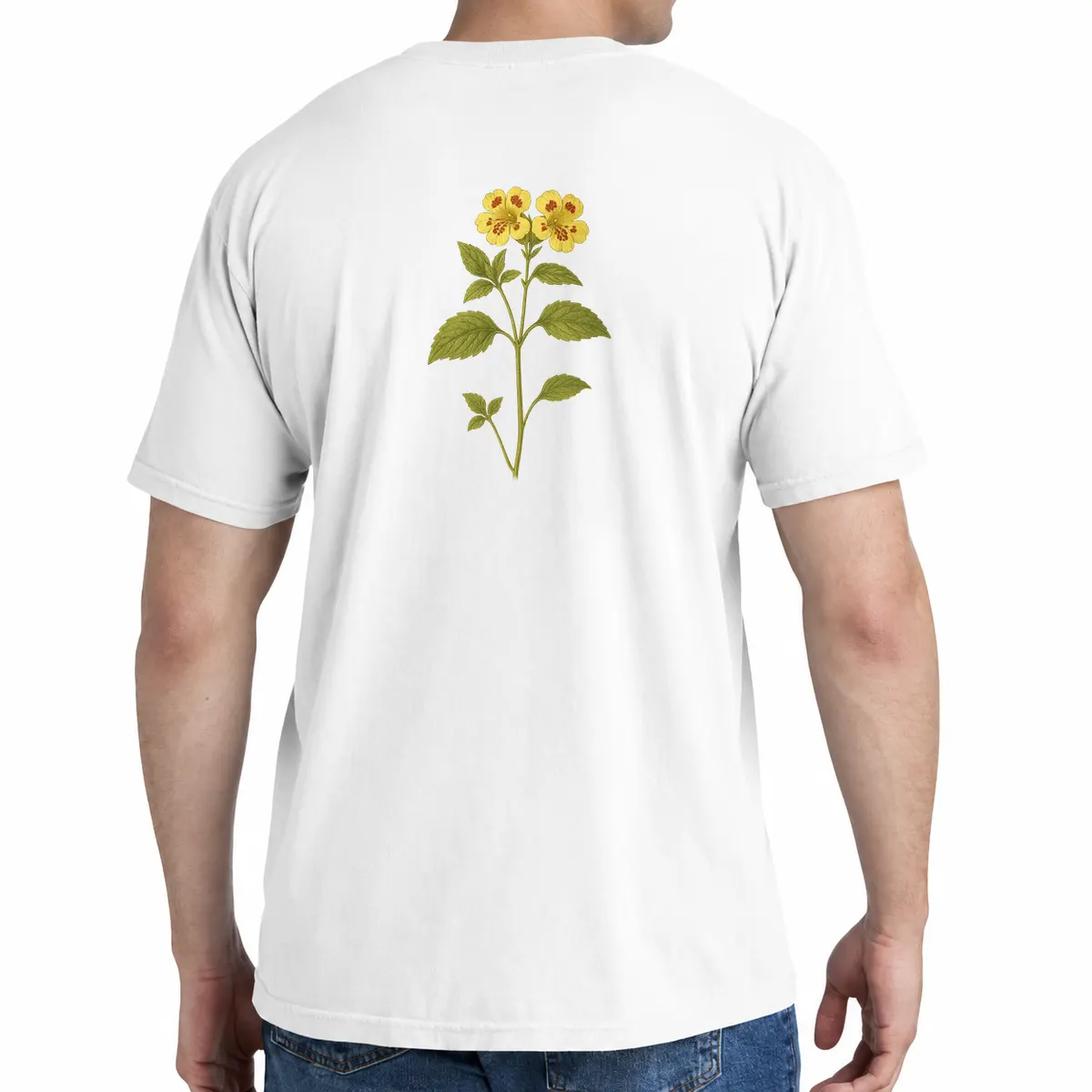
Lilac
$40.00 USD
Created in the tradition of 19th-century botanical plates, then reviewed by hand before it goes anywhere near a shirt. Yours is printed fresh when you order it.
Style: Short Sleeve
Description
This women's tee is made from 6.1 oz 100% ring-spun US cotton in a boxy, slightly cropped mid-length cut. It features a topstitched ribbed collar, shoulder-to-shoulder twill tape, a seamless body, and a double-needle bottom hem. Dyed with OEKO-TEX certified low-impact dyes in a WRAP-certified facility, using a salt-free clean pigment process that uses about half the water of conventional pigment dyeing. Boxy fit, sizes S–2XL — it runs close to the body, so size up for a looser drape. Slight shade variation between garments is normal.
Size Chart
Garment measurements in inches, laid flat.
| Size | Body length | Body width |
|---|---|---|
| S | 20" | 18 1/4" |
| M | 21" | 20 1/4" |
| L | 22" | 22" |
| XL | 23" | 24" |
| 2XL | 24" | 26" |
The blank
Shipping
Returns
Meet lilac
Syringa L.
Lilacs range from densely twiggy shrubs to small trees. Common lilac, Syringa vulgaris, has given rise to hundreds of garden cultivars, while tree lilacs develop one or a few main trunks. Their familiar flower clusters are composed of many small individual blossoms, rather than one large flower. Arnold Arboretum: Lilac Collection
Seasonality across the genus
Boston, Massachusetts, cultivated collection
At the Arnold Arboretum, different lilacs extend the spring display over about five weeks; Japanese tree lilac flowers later than common lilac. Arnold Arboretum: Lilac Collection
Native range
The genus is native to southeastern Europe and parts of Asia, including the Himalayas, China, Korea and Japan. Garden lilacs cultivated elsewhere represent introductions, selected cultivars and hybrids. Kew Plants of the World Online: SyringaFlora of China: SyringaArnold Arboretum: Lilac Collection
Explore this plant's botanical story