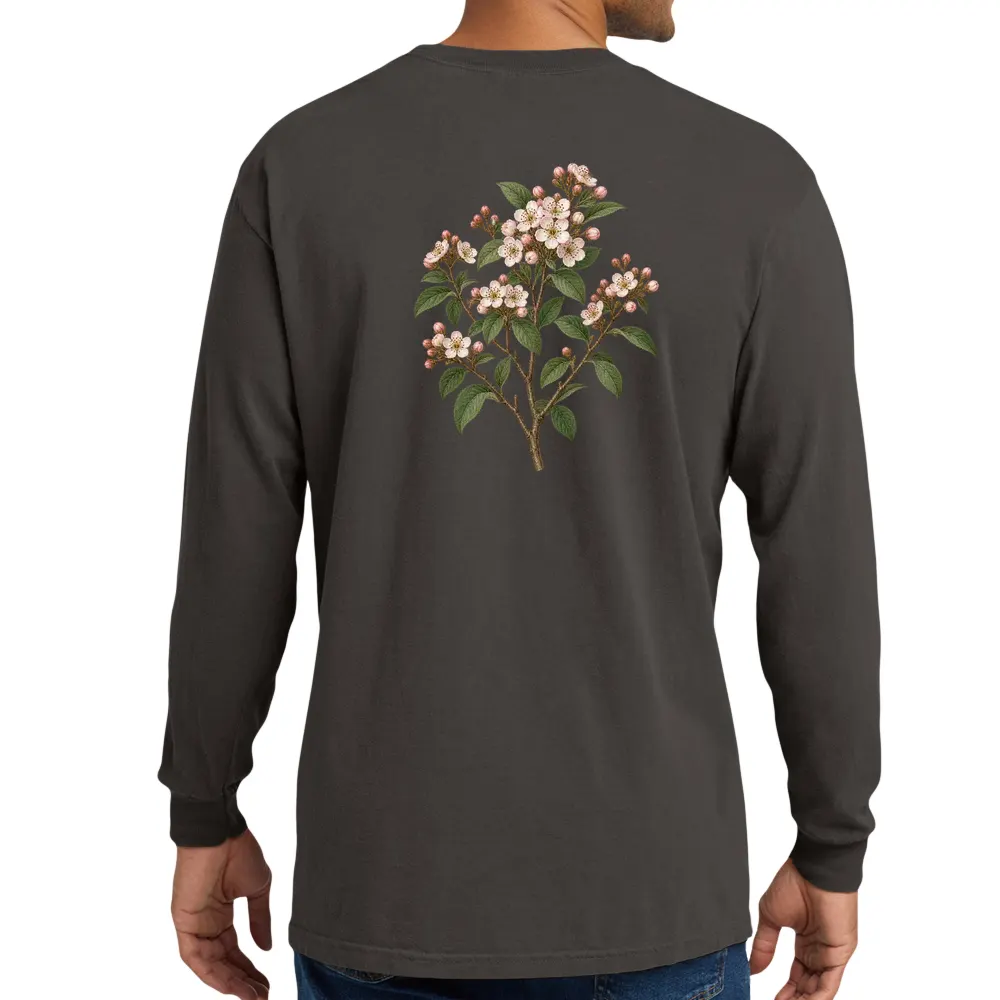
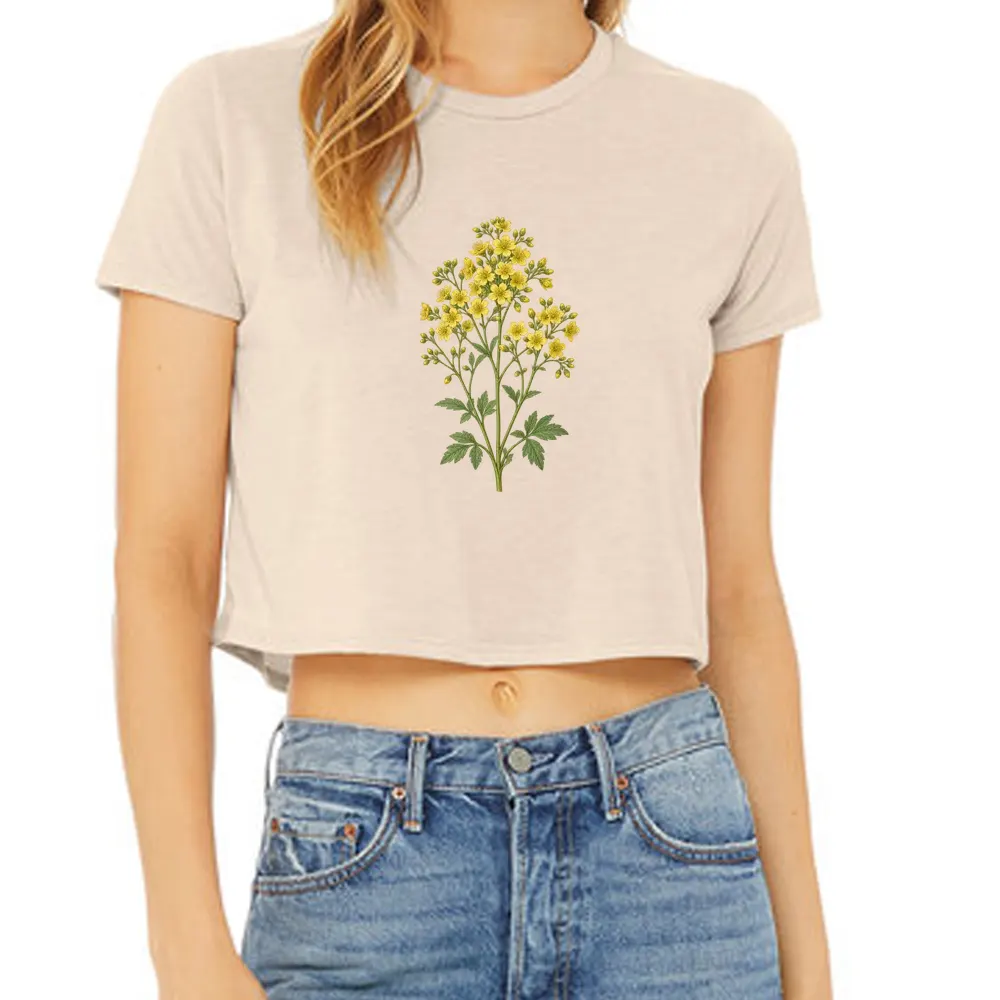
Moth Orchid
$40.00 USD
Created in the tradition of 19th-century botanical plates, then reviewed by hand before it goes anywhere near a shirt. Yours is printed fresh when you order it.
Style: Short Sleeve
Description
This women's tee is made from 6.1 oz 100% ring-spun US cotton in a boxy, slightly cropped mid-length cut. It features a topstitched ribbed collar, shoulder-to-shoulder twill tape, a seamless body, and a double-needle bottom hem. Dyed with OEKO-TEX certified low-impact dyes in a WRAP-certified facility, using a salt-free clean pigment process that uses about half the water of conventional pigment dyeing. Boxy fit, sizes S–2XL — it runs close to the body, so size up for a looser drape. Slight shade variation between garments is normal.
Size Chart
Garment measurements in inches, laid flat.
| Size | Body length | Body width |
|---|---|---|
| S | 20" | 18 1/4" |
| M | 21" | 20 1/4" |
| L | 22" | 22" |
| XL | 23" | 24" |
| 2XL | 24" | 26" |
The blank
Shipping
Returns
Meet moth orchid
Phalaenopsis Blume
Moth orchids take their name from the resemblance of some flowers to large moths. Most species live on trees, but the genus also includes plants growing on rocks or in the ground. Some inhabit continuously humid forests, while others endure seasonal dryness or cool weather by losing leaves and entering a resting period. Kew: Phalaenopsis, general informationAustralian National Botanic Gardens: Phalaenopsis
Native range
The native range stretches across tropical and subtropical Asia to New Guinea and northeastern Australia. Forest habitats range from humid lowlands to seasonally cool mountains. Kew: Phalaenopsis, general information
Ecological relationships
Within the genus, Phalaenopsis pulcherrima attracts bee pollinators deceptively, offering no food reward. Smithsonian Gardens: Phalaenopsis pulcherrima
Explore this plant's botanical story