Whitestar
$40.00 USD
Created in the tradition of 19th-century botanical plates, then reviewed by hand before it goes anywhere near a shirt. Yours is printed fresh when you order it.
Style: Short Sleeve
Description
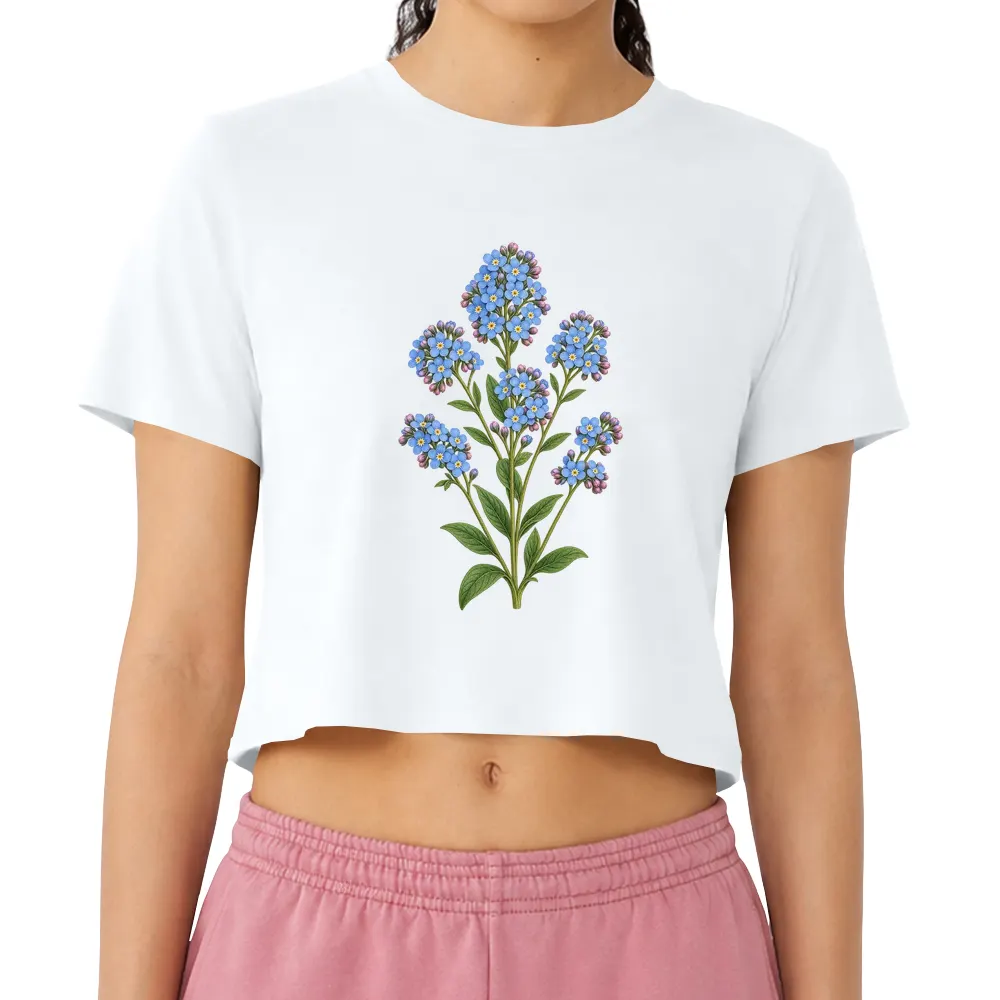
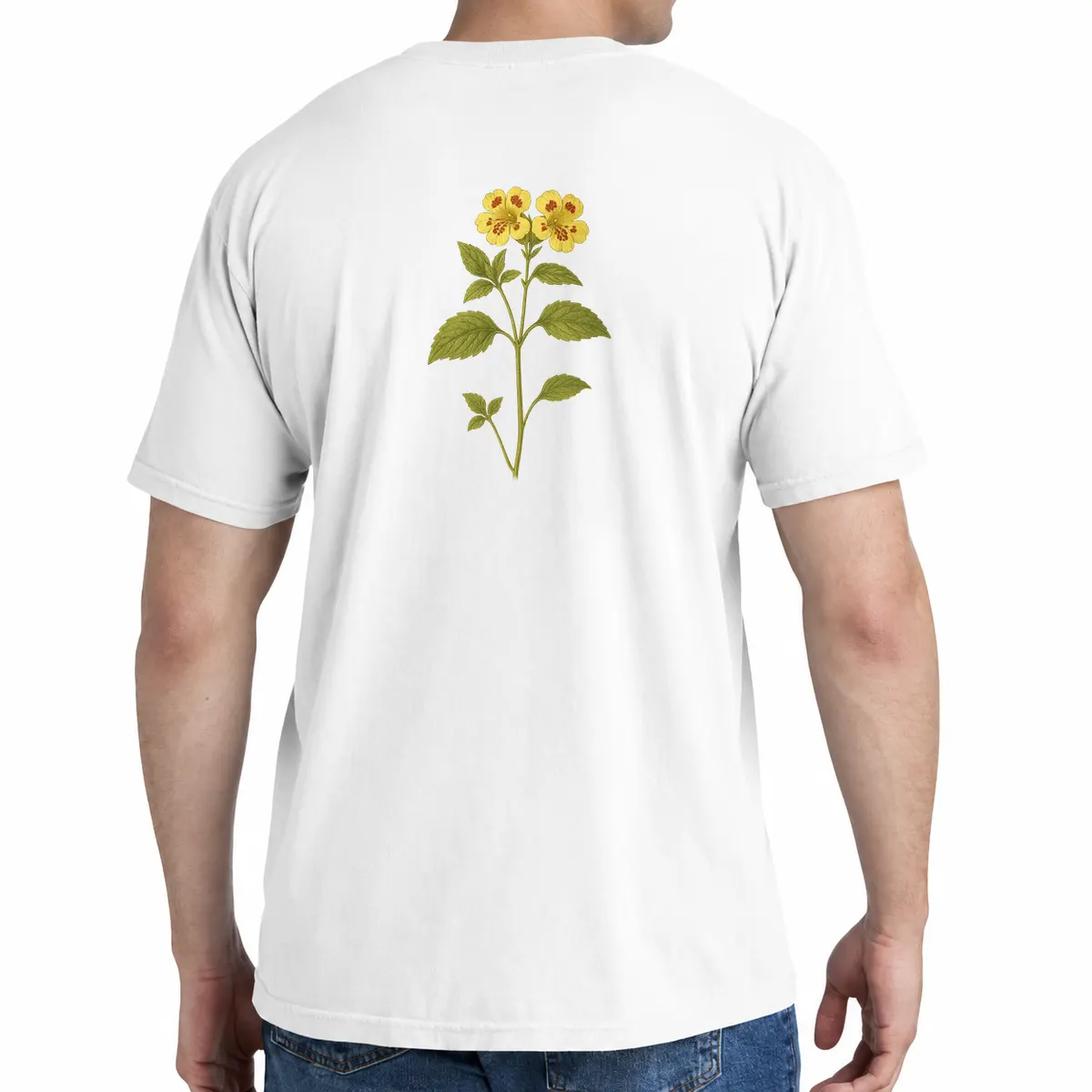
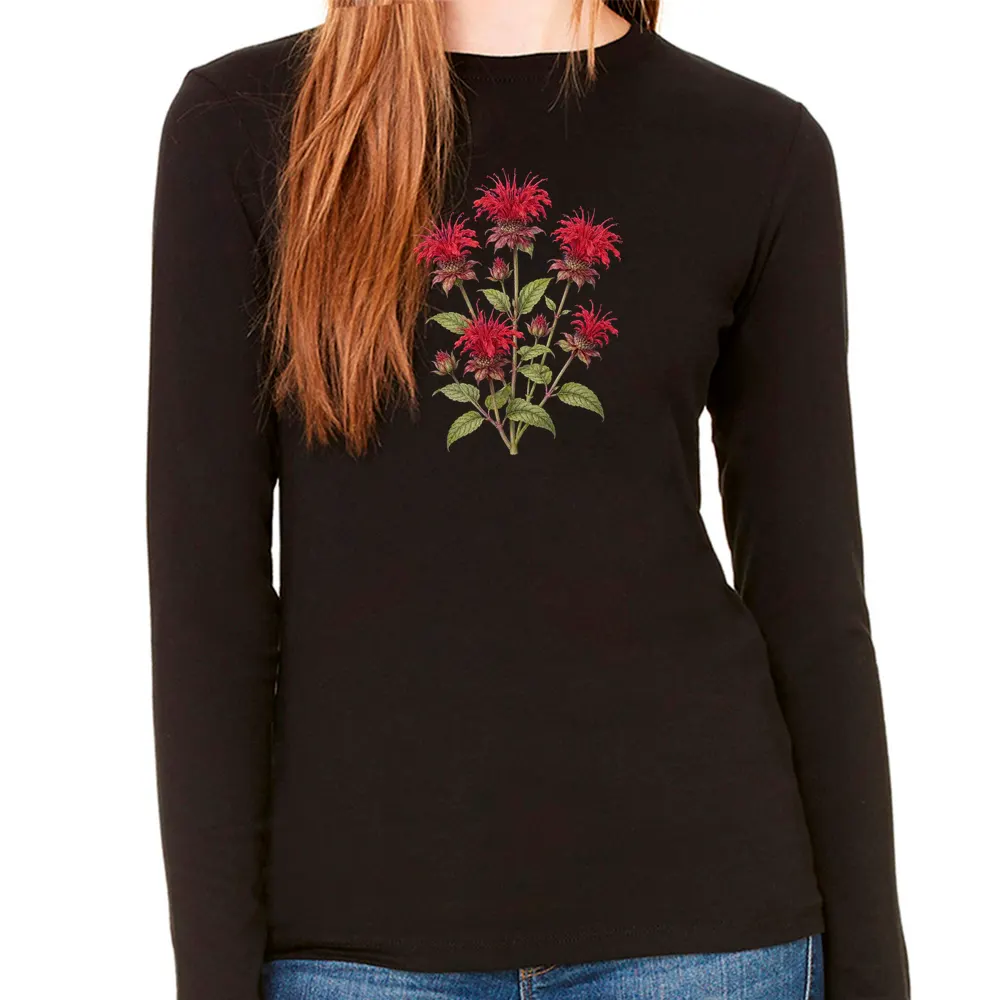
This women's tee is made from 6.1 oz 100% ring-spun US cotton in a boxy, slightly cropped mid-length cut. It features a topstitched ribbed collar, shoulder-to-shoulder twill tape, a seamless body, and a double-needle bottom hem. Dyed with OEKO-TEX certified low-impact dyes in a WRAP-certified facility, using a salt-free clean pigment process that uses about half the water of conventional pigment dyeing. Boxy fit, sizes S–2XL — it runs close to the body, so size up for a looser drape. Slight shade variation between garments is normal.
Size Chart
Garment measurements in inches, laid flat.
| Size | Body length | Body width |
|---|---|---|
| S | 20" | 18 1/4" |
| M | 21" | 20 1/4" |
| L | 22" | 22" |
| XL | 23" | 24" |
| 2XL | 24" | 26" |
The blank
Shipping
Returns
Meet whitestar
Ipomoea lacunosa L.
Whitestar is a morning glory with an unusually strong tendency to self-fertilize. Its flowers are typically small and white, although purple-flowered individuals also occur. Research on North Carolinian populations links the loss of purple floral pigment to changes in the regulation of an anthocyanin-producing pathway. Duncan and Rausher (2020): Selection favors loss of floral pigmentation in a highly selfing morning glory
Seasonal development
North Carolina and South Carolina, United States
In the Carolinas, plants germinate in late May and begin flowering in August or early September. Flowering ends during autumn, and the first hard frost kills the plants. Duncan and Rausher (2020): Selection favors loss of floral pigmentation in a highly selfing morning glory
Native range
Kew places the native range in the central and eastern United States, from the southern Midwest through the Southeast. Introduced populations occur elsewhere, including parts of Europe, eastern Asia and tropical America. Kew Plants of the World Online: Ipomoea lacunosa
Explore this plant's botanical story