adobe popcornflower
Plagiobothrys acanthocarpus (Piper) I.M.Johnst.
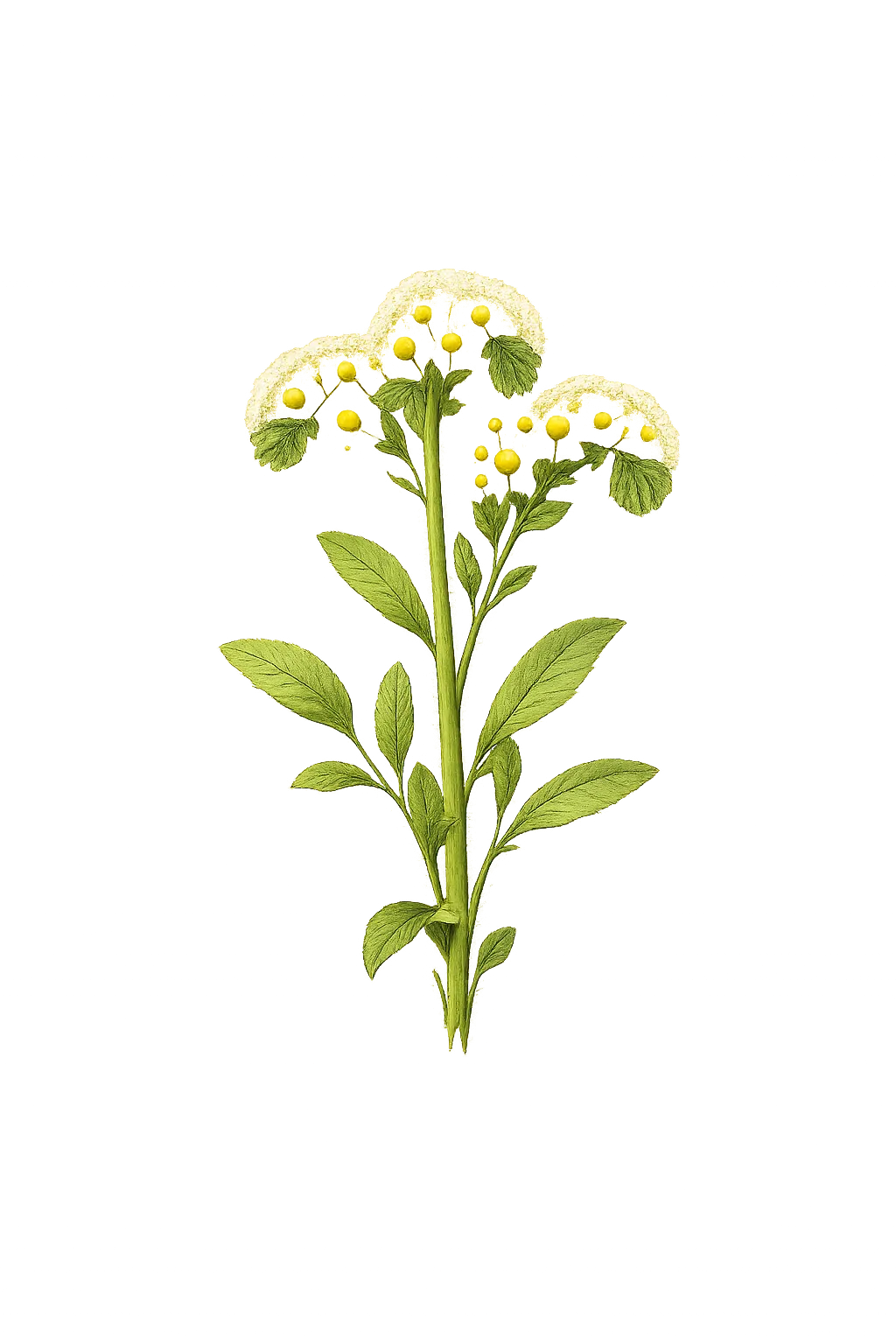
Adobe popcornflower is a modest annual whose most striking structures are easiest to see with magnification. Its slender stems spread or stand upright, usually branching near the base, and reach about 10–40 cm. Short, closely lying hairs cover the herbage, while small leaves accompany the flowering branches. Abrams (1951), Illustrated Flora of the Pacific States: Allocarya acanthocarpa
Botanical name
Plagiobothrys acanthocarpus (Piper) I.M.Johnst. is accepted in Boraginaceae. Allocarya acanthocarpa Piper is its basionym. Kew Plants of the World Online: Plagiobothrys acanthocarpus
Recognizing the plant
Lower leaves are narrow and about 2–6 cm long; upper leaves and floral bracts are smaller and similarly slender. Flower clusters lengthen and loosen as they develop. The corolla is only about 1–2.5 mm across and barely exceeds the calyx. Mature nutlets are egg-shaped, with a network of narrow ridges carrying long, slender, minutely barbed prickles. A sunken attachment scar lies near the base on one side. Abrams (1951), Illustrated Flora of the Pacific States: Allocarya acanthocarpa
Bloom window
California and northern Baja California
Abrams’ Pacific States flora records flowering from March to May in California and northern Baja California. Abrams (1951), Illustrated Flora of the Pacific States: Allocarya acanthocarpa
Native range
The native range runs from central California south into northern Baja California. Regional floras place it in vernal pools, wet ground and clay-rich flats. Kew Plants of the World Online: Plagiobothrys acanthocarpusAbrams (1951), Illustrated Flora of the Pacific States: Allocarya acanthocarpaUC Davis, Plants of the Cosumnes River Preserve: Plagiobothrys acanthocarpus
Botanical sources
- Kew Plants of the World Online: Plagiobothrys acanthocarpus
- Abrams (1951), Illustrated Flora of the Pacific States: Allocarya acanthocarpa
- UC Davis, Plants of the Cosumnes River Preserve: Plagiobothrys acanthocarpus
Reviewed 2026-10-11. Seasonal development varies with location and growing conditions.