Cumberland rhododendron
Rhododendron cumberlandense E.L.Braun
Cumberland azalea can spread into colonies through underground or ground-level shoots. This habit distinguishes it from the usually solitary growth of flame azalea in North Carolina’s flora. Its upright, spreading branches lose their leaves for winter and generally reach three to seven feet. Vascular Plants of North Carolina: Rhododendron cumberlandenseNC State Extension: Rhododendron cumberlandense
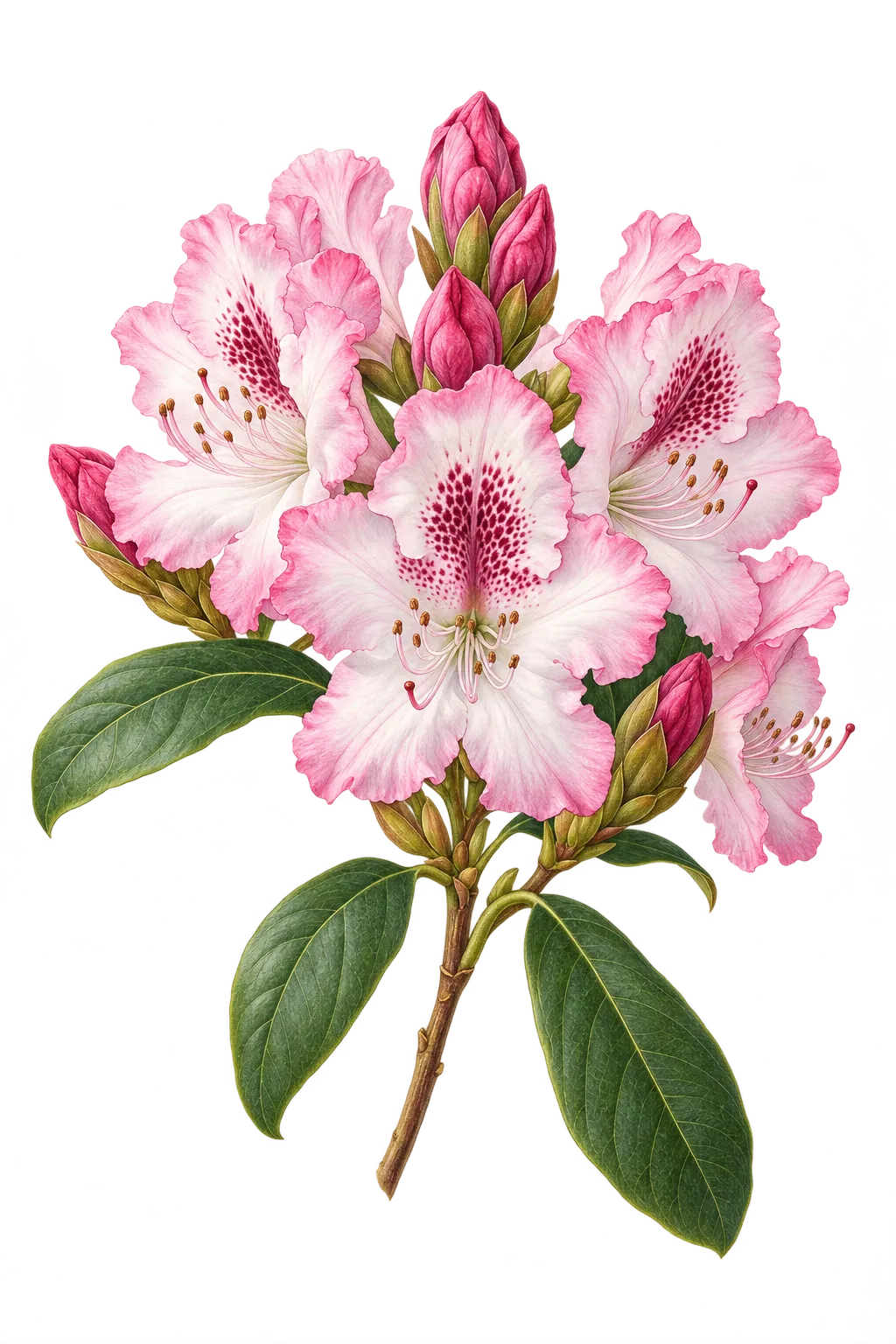
Botanical name
North Carolina’s state flora recognizes Rhododendron cumberlandense and identifies R. bakeri in some earlier regional floras as a misapplied name. Vascular Plants of North Carolina: Rhododendron cumberlandense
Recognizing the plant
Alternate leaves are oval to widest above the middle, with smooth edges and occasional hairs along their margins. Young twigs bear nonglandular hairs. Flowers gather in groups of three to seven, ranging from yellow-orange to deep red. Their funnel-shaped corollas widen into five spreading lobes, with the stamens and stigma extending beyond them. The outside of each corolla is hairy. Aging bark becomes brownish gray, furrowed and sometimes shredding. NC State Extension: Rhododendron cumberlandense
Bloom window
North Carolina
Flowers open in June and July after the shrub has leafed out. NC State Extension: Rhododendron cumberlandense
Native range
The species belongs to the southeastern United States. In North Carolina it occurs in the southern mountains, generally above 4,000 feet, including documented populations in Macon, Jackson and Swain counties. Vascular Plants of North Carolina: Rhododendron cumberlandenseNC State Extension: Rhododendron cumberlandense
Ecological relationships
Its foliage and woody growth support moth larvae, including azalea caterpillar and rhododendron borer. NC State Extension: Rhododendron cumberlandense
Botanical sources
- Vascular Plants of North Carolina: Rhododendron cumberlandense
- NC State Extension: Rhododendron cumberlandense
Reviewed 2026-10-11. Seasonal development varies with location and growing conditions.