gypsyflower
Cynoglossum officinale L.
Gypsyflower is a softly hairy, taprooted biennial. A low first-year rosette gives way to a leafy flowering stem in the second year, reaching about 1.2 m tall. University of British Columbia, E-Flora BC: Cynoglossum officinaleMorton County, North Dakota: Houndstongue identification
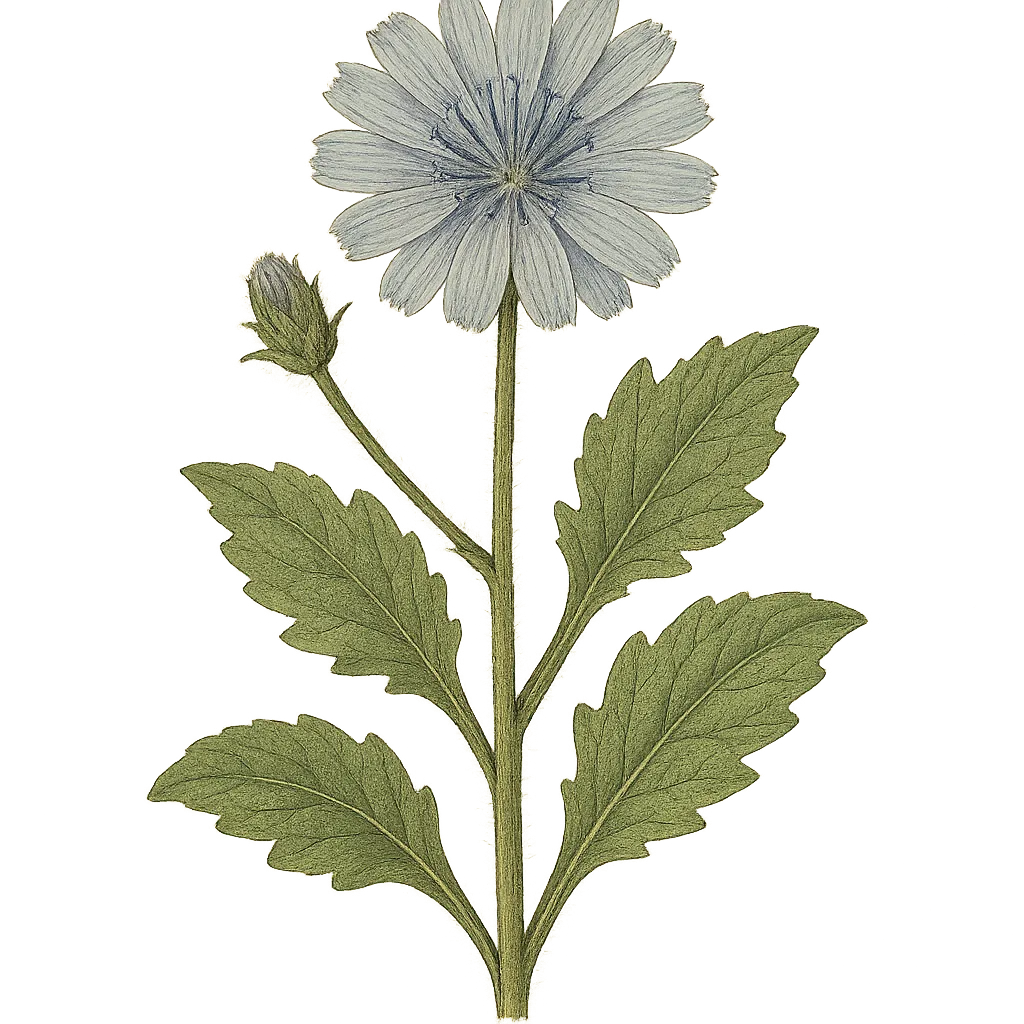
Botanical name
Cynoglossum officinale L. is an accepted species in Boraginaceae. The manifest’s common name, gypsyflower, refers to the plant also widely called houndstongue. Kew Plants of the World Online: Cynoglossum officinaleUniversity of British Columbia, E-Flora BC: Cynoglossum officinale
Recognizing the plant
The lower leaves are long and broadest above the middle, narrowing into stalks; higher leaves are smaller and stalkless. Curving flower clusters arise from the upper leaf axils. Each dull maroon flower has a short, broad tube opening into five rounded lobes. Its four egg-shaped nutlets spread apart when ripe and carry numerous barbed prickles. University of British Columbia, E-Flora BC: Cynoglossum officinale
Bloom window
Wisconsin, United States
In Wisconsin, the reddish-purple flowers appear in June and July, borne in clusters among the upper leaves of second-year plants. Wisconsin Department of Natural Resources: Hounds tongue
Native range
The species is native from Europe to western and southern Siberia and Iran. It has been introduced widely in North America. In British Columbia it occupies dry, disturbed ground in lowland, steppe and lower mountain zones. Kew Plants of the World Online: Cynoglossum officinaleUniversity of British Columbia, E-Flora BC: Cynoglossum officinale
Ecological relationships
The barbed fruits attach to animal hair and fur, allowing the seeds to travel beyond the parent plant. Morton County, North Dakota: Houndstongue identification
Botanical sources
- Kew Plants of the World Online: Cynoglossum officinale
- University of British Columbia, E-Flora BC: Cynoglossum officinale
- Wisconsin Department of Natural Resources: Hounds tongue
- Morton County, North Dakota: Houndstongue identification
Reviewed 2026-10-11. Seasonal development varies with location and growing conditions.