melochia
Melochia L.
A genus overview; characteristics vary between its species.
Melochia includes herbs, low woody plants, shrubs and occasional trees across tropical and subtropical regions. Many bear a covering of star-shaped hairs. Their small flowers may be gathered beside leaves or at shoot tips, and their dry fruits provide useful distinctions between species. Kew Plants of the World Online: MelochiaFlora of North America, volume 6: Melochia
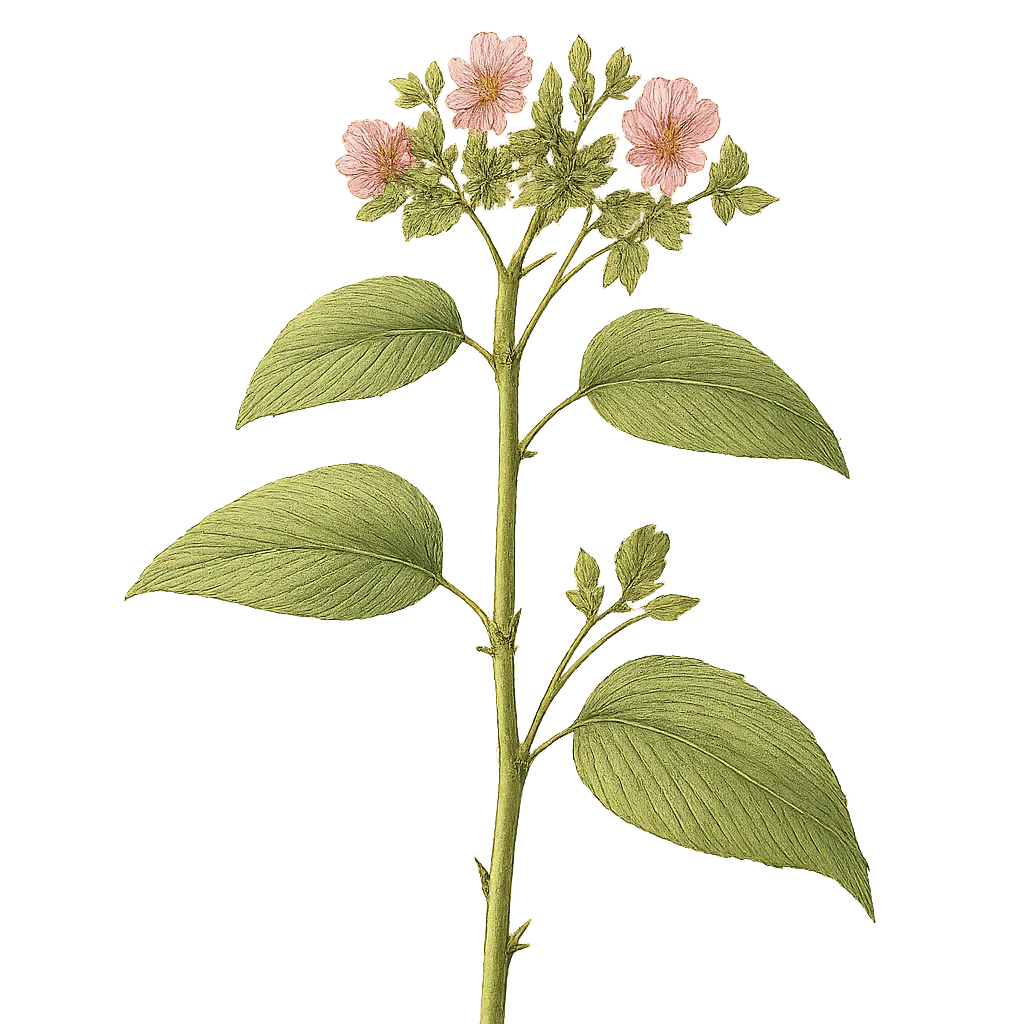
Botanical name
Kew accepts Melochia L. as a genus in Malvaceae. Kew Plants of the World Online: Melochia
Recognizing the plant
Leaves are stalked and usually toothed. Flowers have five petals, five stamens joined at least near their bases, and a five-chambered ovary. In some species, different plants carry flowers with contrasting style and stamen lengths; others have only one floral form. Fruits can be pyramidal and winged or rounded and unwinged, with one or two seeds in each chamber. Flora of North America, volume 6: Melochia
Seasonality across the genus
Brazilian Caatinga; Melochia tomentosa example
In the Brazilian Caatinga, studied M. tomentosa plants flowered throughout the year, with peaks in both wet and dry periods. Machado and Sazima (2008): Pollination and breeding system of Melochia tomentosa, Flora 203:484–490
Native range
The genus occurs in the Americas, Africa, Asia, Australia and Pacific islands. Kew’s New Guinea account records Melochia in savannah forest, on ridges and along rivers at low elevations. Kew Plants of the World Online: MelochiaFlora of North America, volume 6: Melochia
Ecological relationships
In that M. tomentosa study, honeybees were the principal pollinators; native Centris and Xylocopa bees also contributed to fruit production. Machado and Sazima (2008): Pollination and breeding system of Melochia tomentosa, Flora 203:484–490
Botanical sources
- Kew Plants of the World Online: Melochia
- Flora of North America, volume 6: Melochia
- Machado and Sazima (2008): Pollination and breeding system of Melochia tomentosa, Flora 203:484–490
Reviewed 2026-10-11. Seasonal development varies with location and growing conditions.