pucciphippsia
×Pucciphippsia Tzvelev
A genus overview; characteristics vary between its species.
×Pucciphippsia is a hybrid genus of Arctic grasses, arising where Phippsia and Puccinellia cross. It therefore represents a parental combination rather than one ordinary grass species. World Flora Online includes two named members, ×Pucciphippsia czukczorum and ×Pucciphippsia vacillans, under this genus. International Plant Names Index: ×Pucciphippsia TzvelevWorld Flora Online: Pucciphippsia Tzvelev
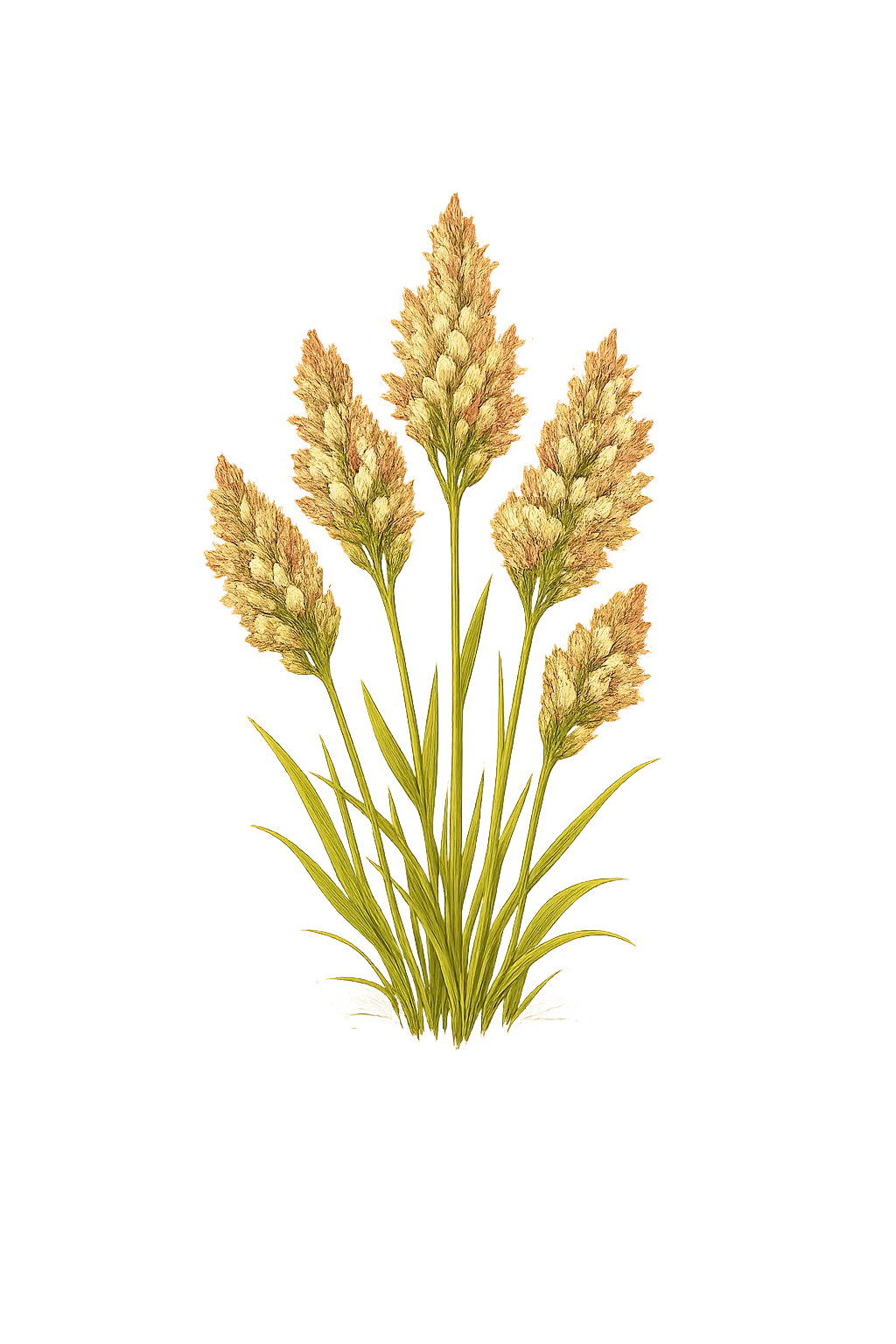
Botanical name
The stored name is retained at genus rank. ITIS accepts ×Pucciphippsia Tzvelev in Poaceae; IPNI identifies it as the hybrid genus formed by Phippsia × Puccinellia. Integrated Taxonomic Information System: ×PucciphippsiaInternational Plant Names Index: ×Pucciphippsia Tzvelev
Recognizing the plant
The Canadian flora’s account of ×P. vacillans illustrates one member: a tufted perennial about fifteen to twenty-three centimetres tall, with fibrous roots and narrow, smooth leaves. Its short, branched flower clusters contain spikelets with usually two florets, sometimes one or three. The florets lack awns, and the small protective bracts below them remain attached. These measurements describe that member, not a uniform size for every hybrid in the genus. Flora of the Canadian Arctic Archipelago: ×Pucciphippsia vacillans
Native range
World Flora Online lists native occurrences in Greenland, Svalbard and Magadan in the Russian Far East. The Canadian Arctic flora additionally documents ×P. vacillans on several Nunavut islands. There it inhabits damp tundra, wet meadows, pond edges and seepage slopes, often on calcareous substrates with silt or moss. World Flora Online: Pucciphippsia TzvelevFlora of the Canadian Arctic Archipelago: ×Pucciphippsia vacillans
Botanical sources
- Integrated Taxonomic Information System: ×Pucciphippsia
- International Plant Names Index: ×Pucciphippsia Tzvelev
- World Flora Online: Pucciphippsia Tzvelev
- Flora of the Canadian Arctic Archipelago: ×Pucciphippsia vacillans
Reviewed 2026-10-11. Seasonal development varies with location and growing conditions.