Alexander Palm
$40.00 USD
Created in the tradition of 19th-century botanical plates, then reviewed by hand before it goes anywhere near a shirt. Yours is printed fresh when you order it.
Style: Short Sleeve
Description
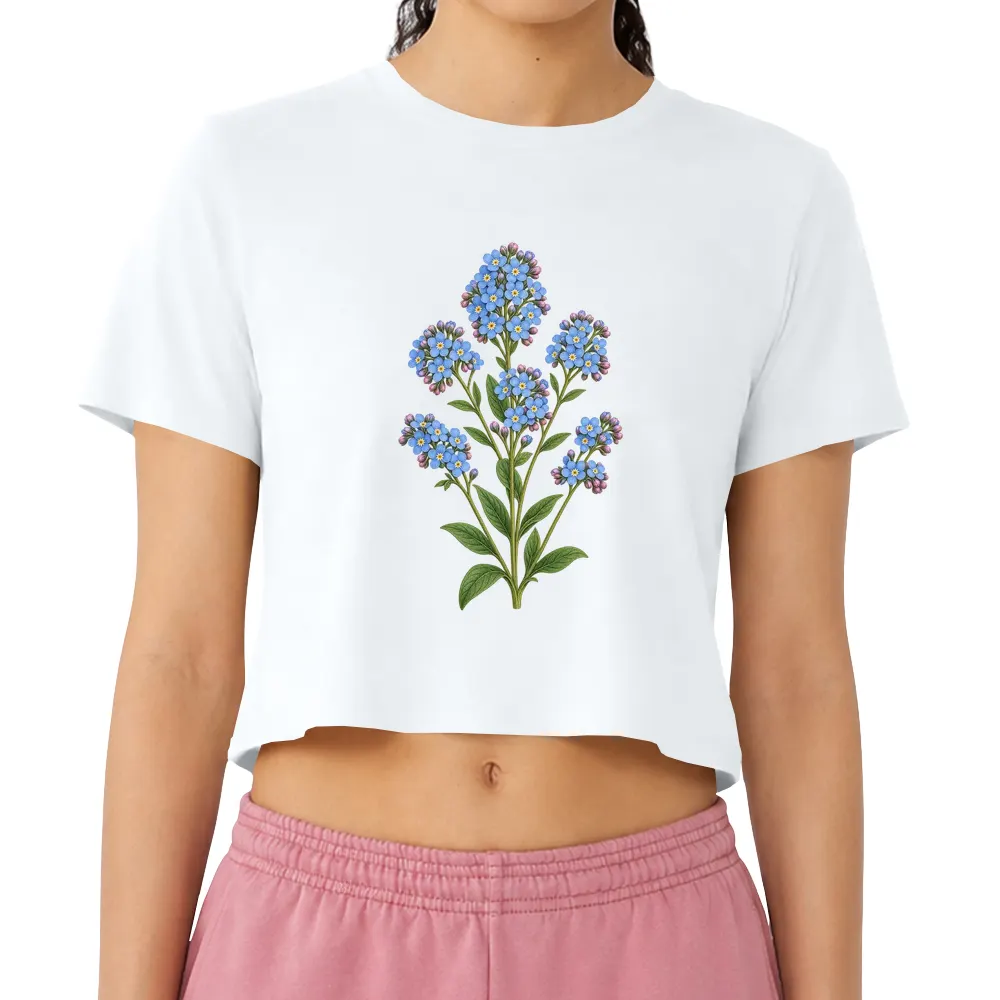
This women's tee is made from 6.1 oz 100% ring-spun US cotton in a boxy, slightly cropped mid-length cut. It features a topstitched ribbed collar, shoulder-to-shoulder twill tape, a seamless body, and a double-needle bottom hem. Dyed with OEKO-TEX certified low-impact dyes in a WRAP-certified facility, using a salt-free clean pigment process that uses about half the water of conventional pigment dyeing. Boxy fit, sizes S–2XL — it runs close to the body, so size up for a looser drape. Slight shade variation between garments is normal.
Size Chart
Garment measurements in inches, laid flat.
| Size | Body length | Body width |
|---|---|---|
| S | 20" | 18 1/4" |
| M | 21" | 20 1/4" |
| L | 22" | 22" |
| XL | 23" | 24" |
| 2XL | 24" | 26" |
The blank
Shipping
Returns
Meet Alexander palm
Ptychosperma elegans (R.Br.) Blume
Alexander palm is also called solitaire palm because it develops a single, slender trunk. The pale grey trunk carries rings left by old leaf bases and a smooth, olive-green crownshaft beneath the leaves. Its featherlike fronds have leaflets with blunt, ragged tips, dark green above and grey-green below. The branching flower clusters emerge just below the crownshaft. UF/IFAS Extension FOR 251: Ptychosperma elegans, Solitaire Palm
Native range
Its native range is northern and eastern Queensland, Australia. The Australian rainforest flora records it from Cape York south to southeastern Queensland, growing beneath lowland and upland rainforest canopies from near sea level to about 900 metres. Australian Tropical Rainforest Plants: Ptychosperma elegans
Ecological relationships
Honeyeaters eat the flesh of the fruits, according to the Australian rainforest flora. Australian Tropical Rainforest Plants: Ptychosperma elegans
Explore this plant's botanical story