Alexander palm
Ptychosperma elegans (R.Br.) Blume
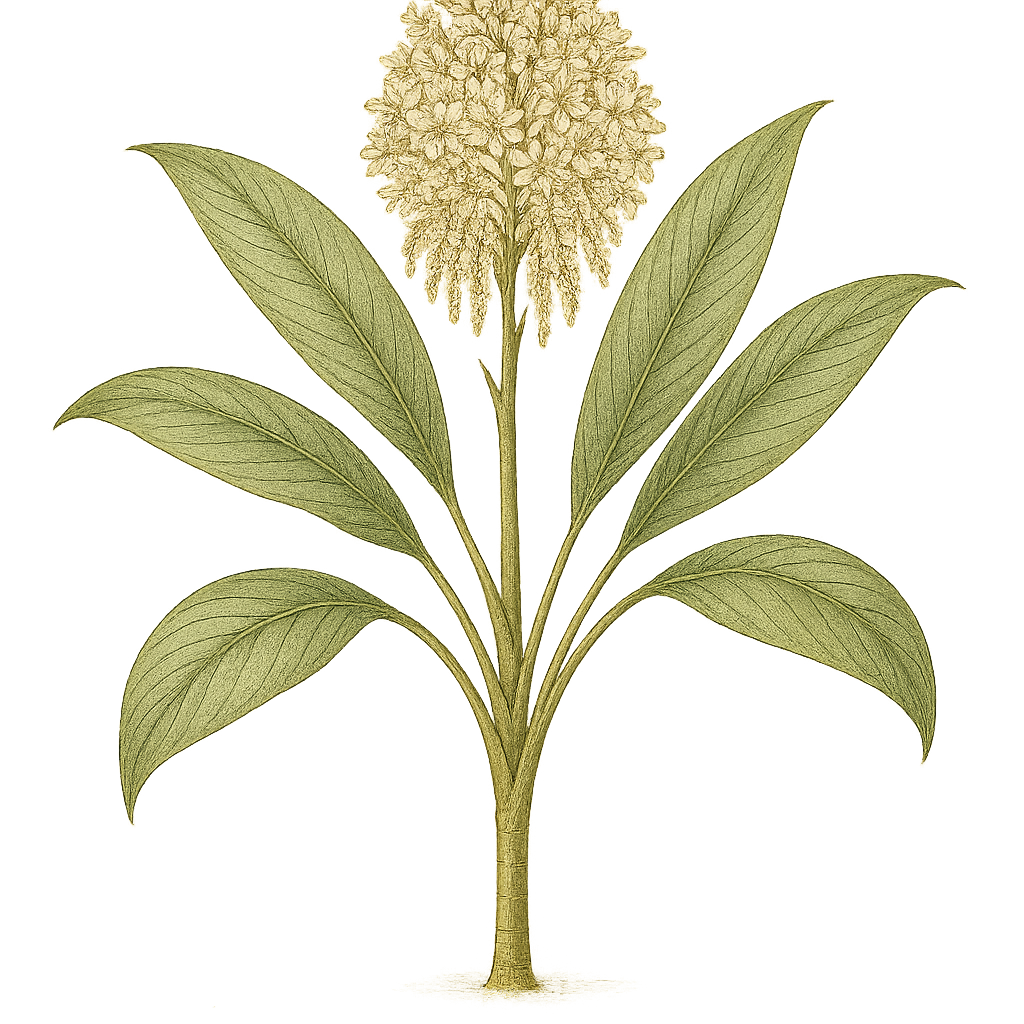
Alexander palm is also called solitaire palm because it develops a single, slender trunk. The pale grey trunk carries rings left by old leaf bases and a smooth, olive-green crownshaft beneath the leaves. Its featherlike fronds have leaflets with blunt, ragged tips, dark green above and grey-green below. The branching flower clusters emerge just below the crownshaft. UF/IFAS Extension FOR 251: Ptychosperma elegans, Solitaire Palm
Botanical name
Kew accepts Ptychosperma elegans in Arecaceae. The author citation matches the database identity with spacing standardized; Seaforthia elegans is its homotypic synonym. Kew Plants of the World Online: Ptychosperma elegans
Recognizing the plant
In Australian rainforest it can reach twelve metres, although smaller plants also flower and fruit. Leaves may be over three metres long, with thirty to sixty leaflets on each side. Flowers occur in groups of three, two male and one female. The ripe fruits are red, about nine to fifteen millimetres long, and enclose distinctly five-angled seeds. Australian Tropical Rainforest Plants: Ptychosperma elegans
Native range
Its native range is northern and eastern Queensland, Australia. The Australian rainforest flora records it from Cape York south to southeastern Queensland, growing beneath lowland and upland rainforest canopies from near sea level to about 900 metres. Australian Tropical Rainforest Plants: Ptychosperma elegans
Ecological relationships
Honeyeaters eat the flesh of the fruits, according to the Australian rainforest flora. Australian Tropical Rainforest Plants: Ptychosperma elegans
Botanical sources
- Kew Plants of the World Online: Ptychosperma elegans
- UF/IFAS Extension FOR 251: Ptychosperma elegans, Solitaire Palm
- Australian Tropical Rainforest Plants: Ptychosperma elegans
Reviewed 2026-10-11. Seasonal development varies with location and growing conditions.