Arborvitae
$40.00 USD
Created in the tradition of 19th-century botanical plates, then reviewed by hand before it goes anywhere near a shirt. Yours is printed fresh when you order it.
Style: Short Sleeve
Description
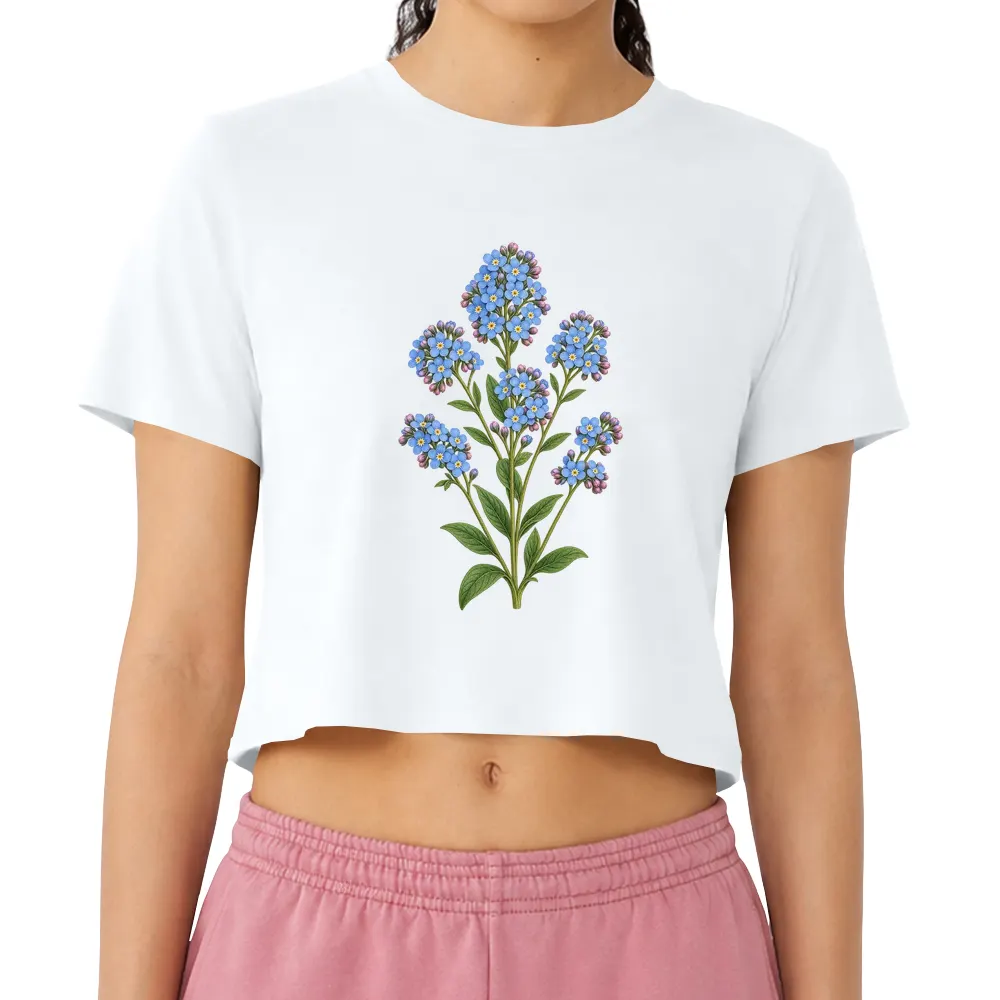
This women's tee is made from 6.1 oz 100% ring-spun US cotton in a boxy, slightly cropped mid-length cut. It features a topstitched ribbed collar, shoulder-to-shoulder twill tape, a seamless body, and a double-needle bottom hem. Dyed with OEKO-TEX certified low-impact dyes in a WRAP-certified facility, using a salt-free clean pigment process that uses about half the water of conventional pigment dyeing. Boxy fit, sizes S–2XL — it runs close to the body, so size up for a looser drape. Slight shade variation between garments is normal.
Size Chart
Garment measurements in inches, laid flat.
| Size | Body length | Body width |
|---|---|---|
| S | 20" | 18 1/4" |
| M | 21" | 20 1/4" |
| L | 22" | 22" |
| XL | 23" | 24" |
| 2XL | 24" | 26" |
The blank
Shipping
Returns
Meet arborvitae
Thuja occidentalis L.
Arborvitae builds its evergreen canopy from flattened, fanlike sprays. A dominant trunk supports the crown, while cultivated forms can be pyramidal, rounded or strongly columnar. The aromatic foliage and reddish-brown bark, flaking along the trunk and branches, remain useful recognition features outside the reproductive season. NC State Extension: Thuja occidentalis
Cones and seasonal development
Northern Michigan
Seed cones ripen in August and September and open soon afterward. USDA Forest Service Silvics: Northern White-Cedar
Native range
Northern white-cedar is native to central and eastern Canada and the north-central and eastern United States, with scattered Appalachian populations extending south to North Carolina and Tennessee. It inhabits wet forests and swamps as well as rocky cliffs and upland sites. Kew Plants of the World Online: Thuja occidentalisUSDA Forest Service Silvics: Northern White-Cedar
Ecological relationships
Songbirds nest in the branches, and white-tailed deer use the dense foliage for winter shelter and browse. NC State Extension: Thuja occidentalis
Its foliage supports the arborvitae leafminer, Argyresthia thuiella, whose larvae feed inside the leaves. UMass Amherst: Argyresthia thuiella
Explore this plant's botanical story