Caribbean Spiderlily
$40.00 USD
Created in the tradition of 19th-century botanical plates, then reviewed by hand before it goes anywhere near a shirt. Yours is printed fresh when you order it.
Style: Short Sleeve
Description
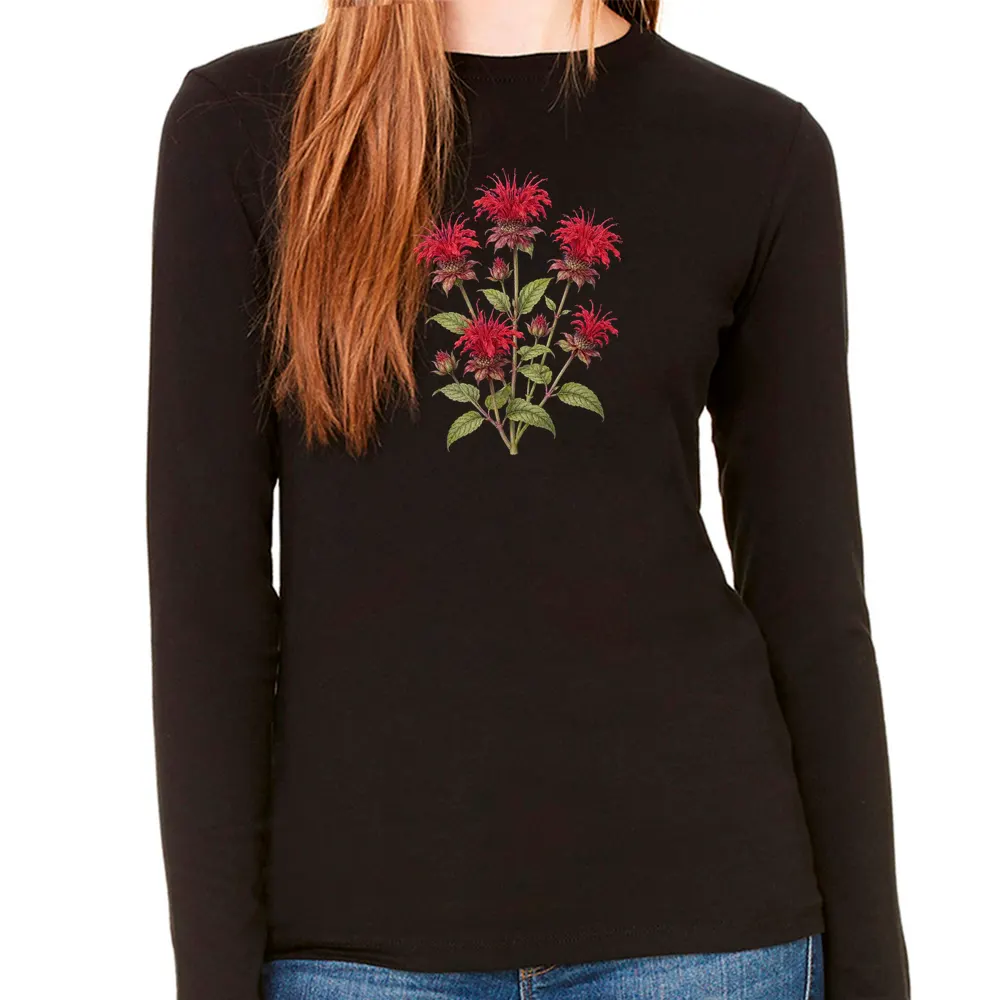
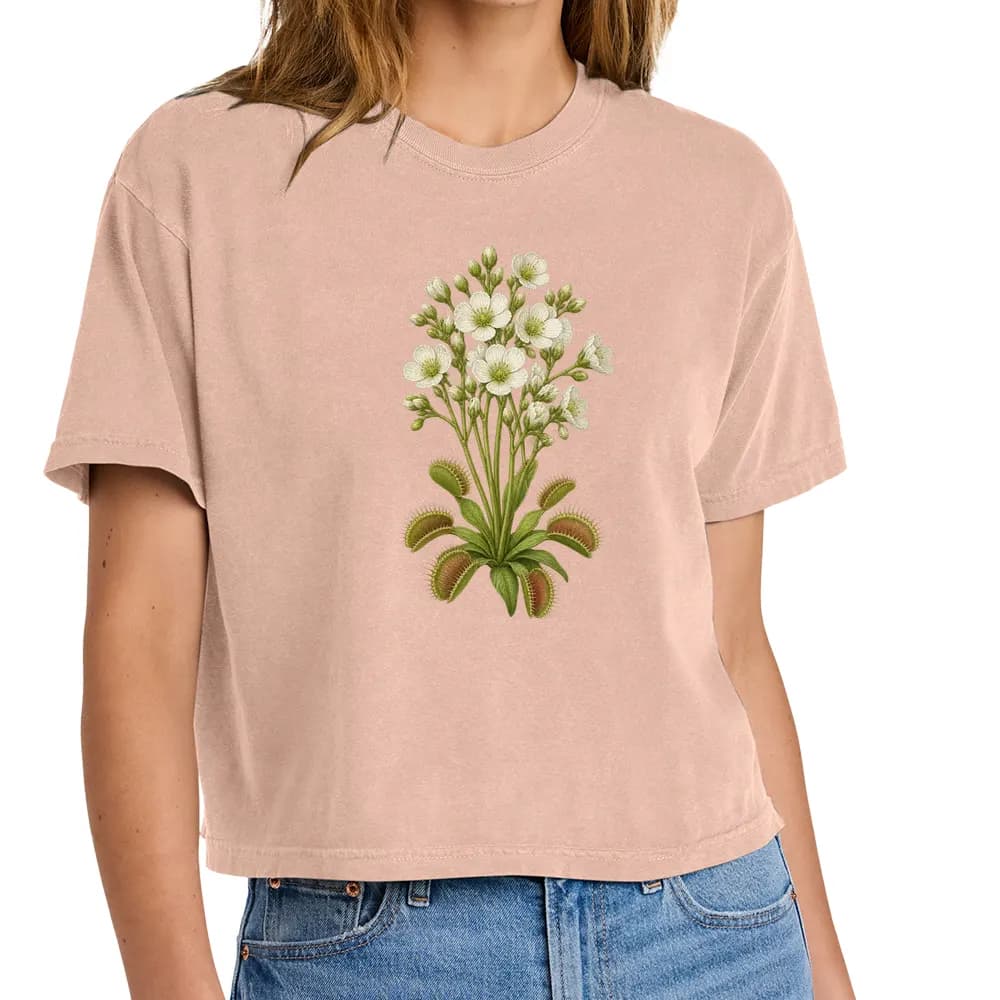
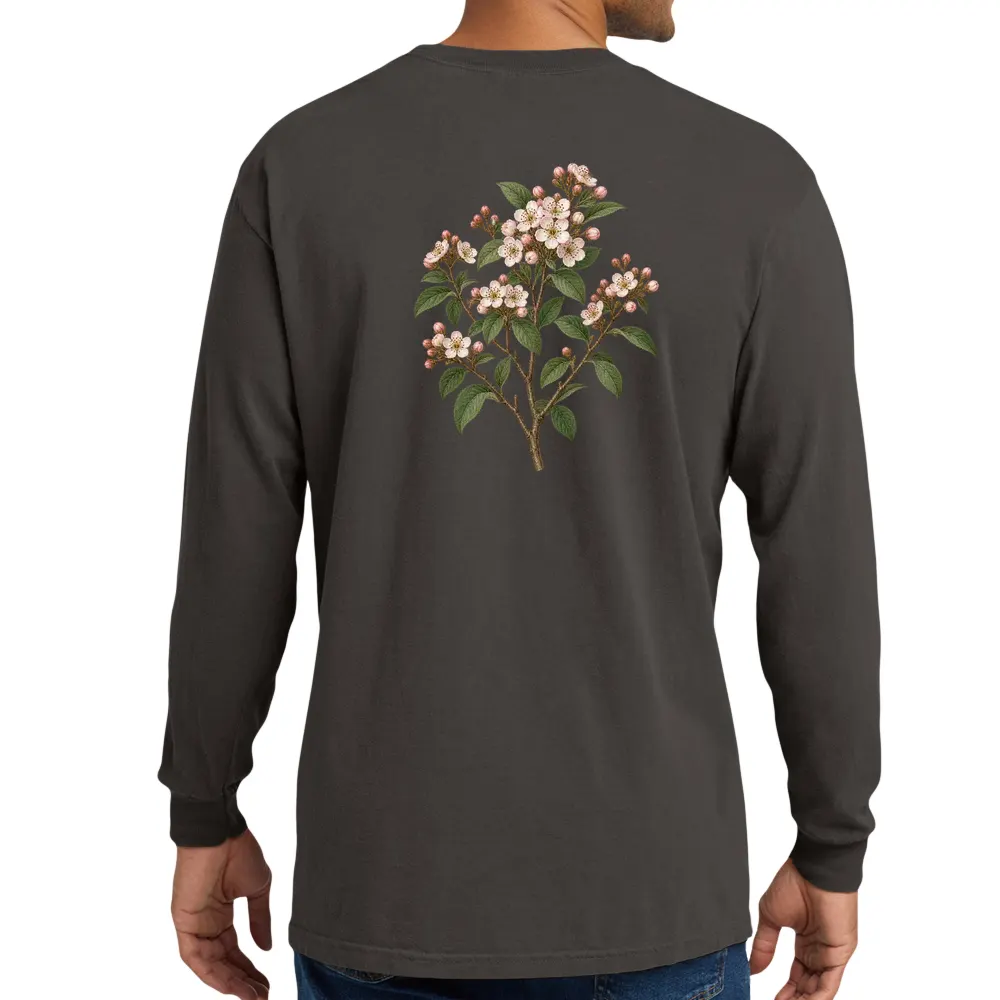
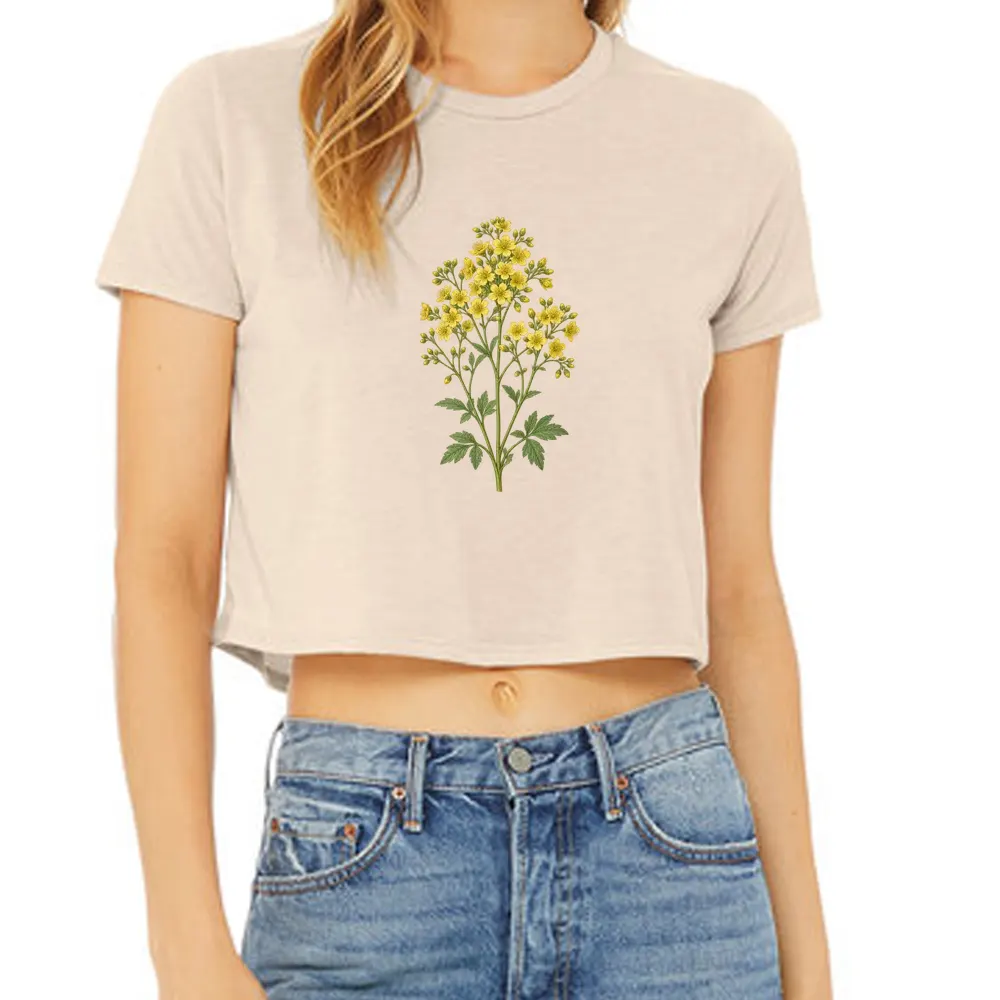
This women's tee is made from 6.1 oz 100% ring-spun US cotton in a boxy, slightly cropped mid-length cut. It features a topstitched ribbed collar, shoulder-to-shoulder twill tape, a seamless body, and a double-needle bottom hem. Dyed with OEKO-TEX certified low-impact dyes in a WRAP-certified facility, using a salt-free clean pigment process that uses about half the water of conventional pigment dyeing. Boxy fit, sizes S–2XL — it runs close to the body, so size up for a looser drape. Slight shade variation between garments is normal.
Size Chart
Garment measurements in inches, laid flat.
| Size | Body length | Body width |
|---|---|---|
| S | 20" | 18 1/4" |
| M | 21" | 20 1/4" |
| L | 22" | 22" |
| XL | 23" | 24" |
| 2XL | 24" | 26" |
The blank
Shipping
Returns
Meet Caribbean spiderlily
Hymenocallis caribaea (L.) Herb.
Caribbean spiderlily makes broad clumps of dark green, strap-shaped foliage punctuated by clusters of white flowers. Often planted along roadsides, this West Indian herb belongs to the amaryllis family and carries its flowers together in umbels. James Cook University: Hymenocallis caribaea
Bloom window
New South Wales, Australia
In New South Wales, flowers appear from January through March. There, naturalized plants occur on and beside the Macleay River and creeks in its lower drainage system. Royal Botanic Gardens Sydney, PlantNET: Hymenocallis caribaea
Native range
Its native Caribbean range includes Cuba, Jamaica, the Leeward and Windward Islands, and the Venezuelan Antilles. It grows primarily in seasonally dry tropical conditions, while introduced populations are recorded in places including Sri Lanka, Bermuda and New South Wales. Kew Plants of the World Online: Hymenocallis caribaea
Ecological relationships
In southern Brazilian records, Caribbean spiderlily is a food plant for caterpillars of the moth Xanthopastis timais, alongside several other members of the amaryllis family. Specht, Silva and Link (2004), Noctuídeos do Museu Entomológico Ceslau Biezanko, Revista Brasileira de Agrociência 10: 389–409
Explore this plant's botanical story