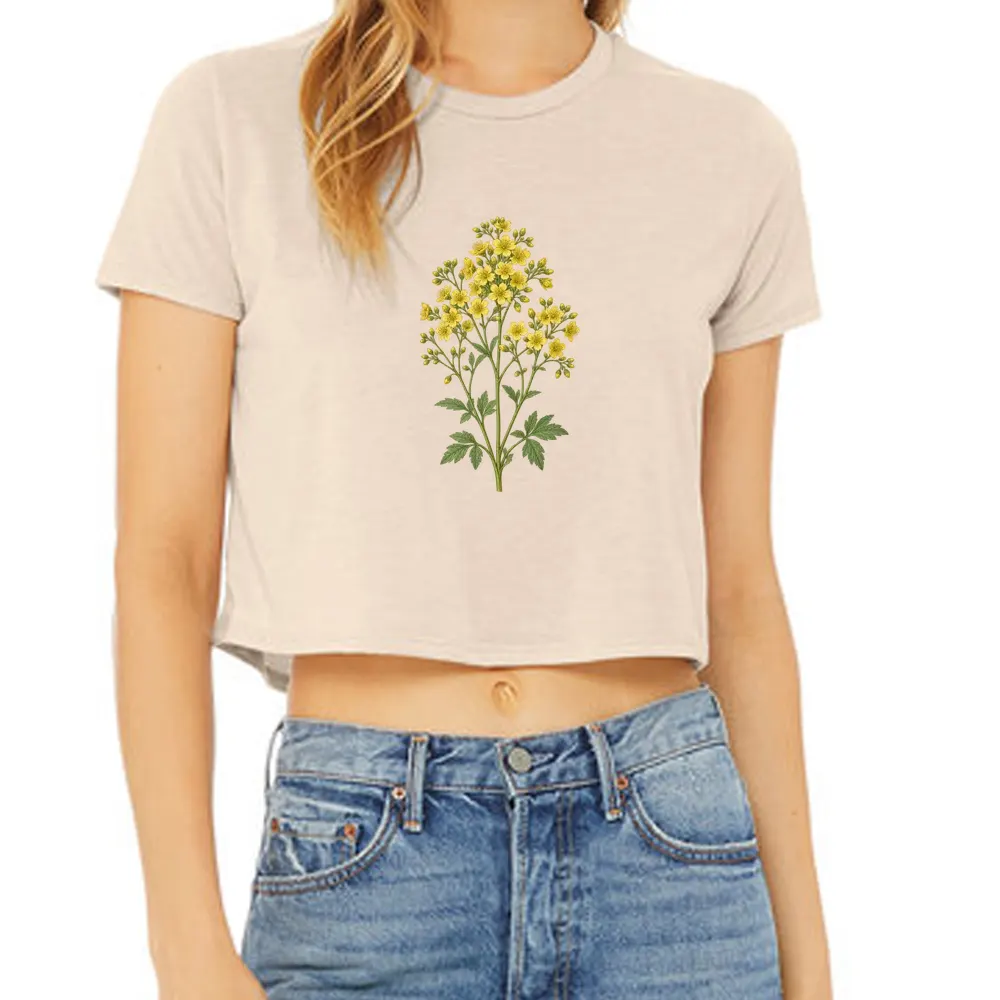
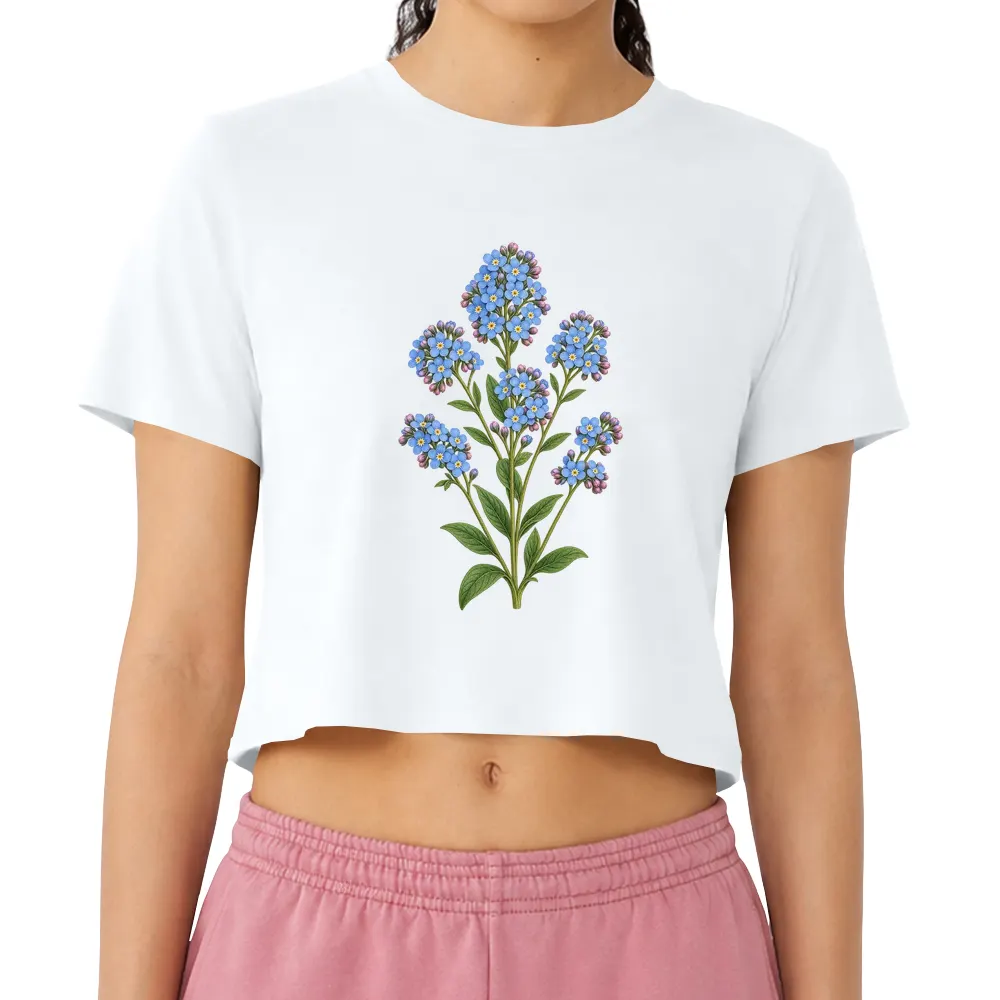
Caryopteris
$40.00 USD
Created in the tradition of 19th-century botanical plates, then reviewed by hand before it goes anywhere near a shirt. Yours is printed fresh when you order it.
Style: Short Sleeve
Description
This women's tee is made from 6.1 oz 100% ring-spun US cotton in a boxy, slightly cropped mid-length cut. It features a topstitched ribbed collar, shoulder-to-shoulder twill tape, a seamless body, and a double-needle bottom hem. Dyed with OEKO-TEX certified low-impact dyes in a WRAP-certified facility, using a salt-free clean pigment process that uses about half the water of conventional pigment dyeing. Boxy fit, sizes S–2XL — it runs close to the body, so size up for a looser drape. Slight shade variation between garments is normal.
Size Chart
Garment measurements in inches, laid flat.
| Size | Body length | Body width |
|---|---|---|
| S | 20" | 18 1/4" |
| M | 21" | 20 1/4" |
| L | 22" | 22" |
| XL | 23" | 24" |
| 2XL | 24" | 26" |
The blank
Shipping
Returns
Meet caryopteris
Caryopteris × clandonensis A.Simmonds
Bluebeard’s name points to the elongated, fringed lower part of each blue flower. Its botanical history leads to Arthur Simmonds’s garden at Clandon in Surrey, England, where hybrid seedlings appeared around 1930. The place survives in the name clandonensis. This garden origin helped establish a low, flowering shrub now represented by numerous horticultural selections. NC State Extension: Caryopteris × clandonensisChicago Botanic Garden: Arthur Simmonds Bluebeard
Bloom window
North Carolina, United States
In North Carolina, flowering occurs in late summer and early autumn on new growth. Stems may die back to ground level in colder climates. NC State Extension: Caryopteris × clandonensis
Native range
Caryopteris ×clandonensis is an artificial hybrid of Caryopteris incana and Caryopteris mongholica. It has a documented English garden origin rather than a separate wild native range. Kew POWO: Caryopteris × clandonensisChicago Botanic Garden: Arthur Simmonds Bluebeard
Ecological relationships
Bees and butterflies visit the nectar-rich blossoms, according to North Carolina Extension. NC State Extension: Caryopteris × clandonensis
Explore this plant's botanical story