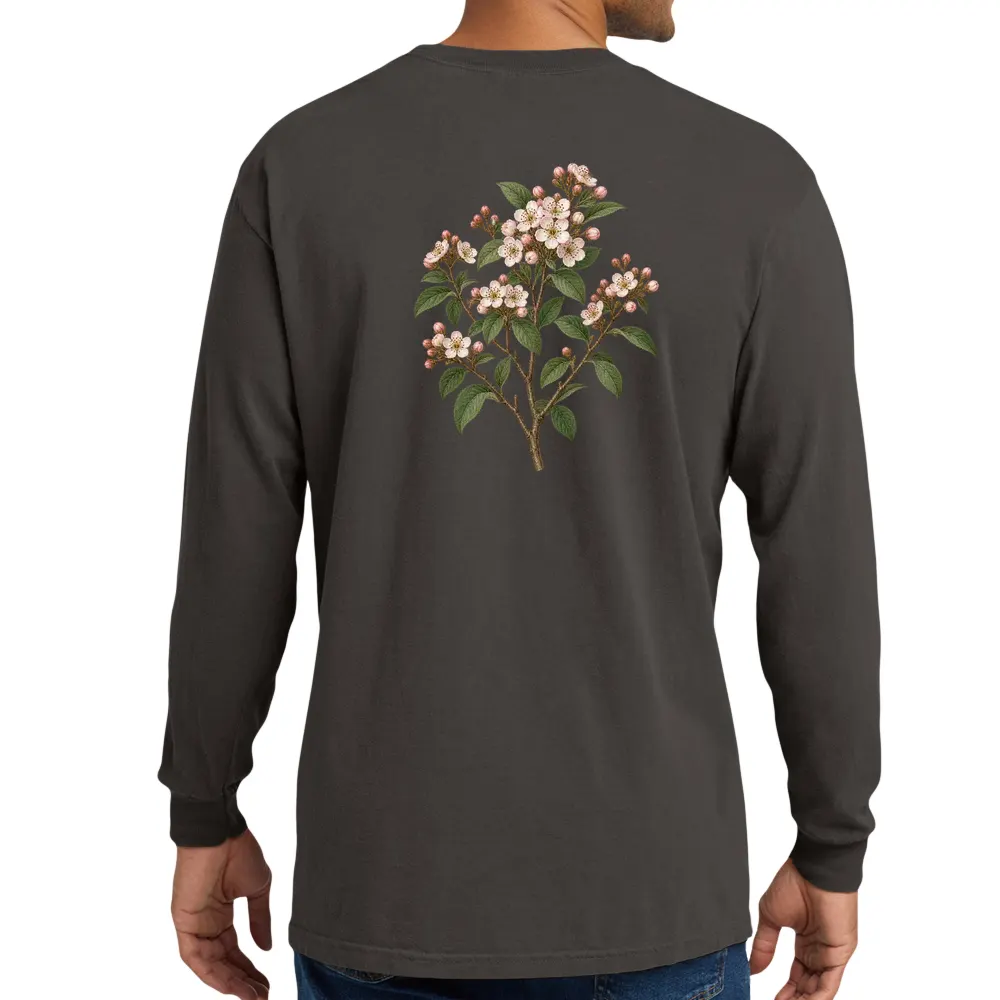
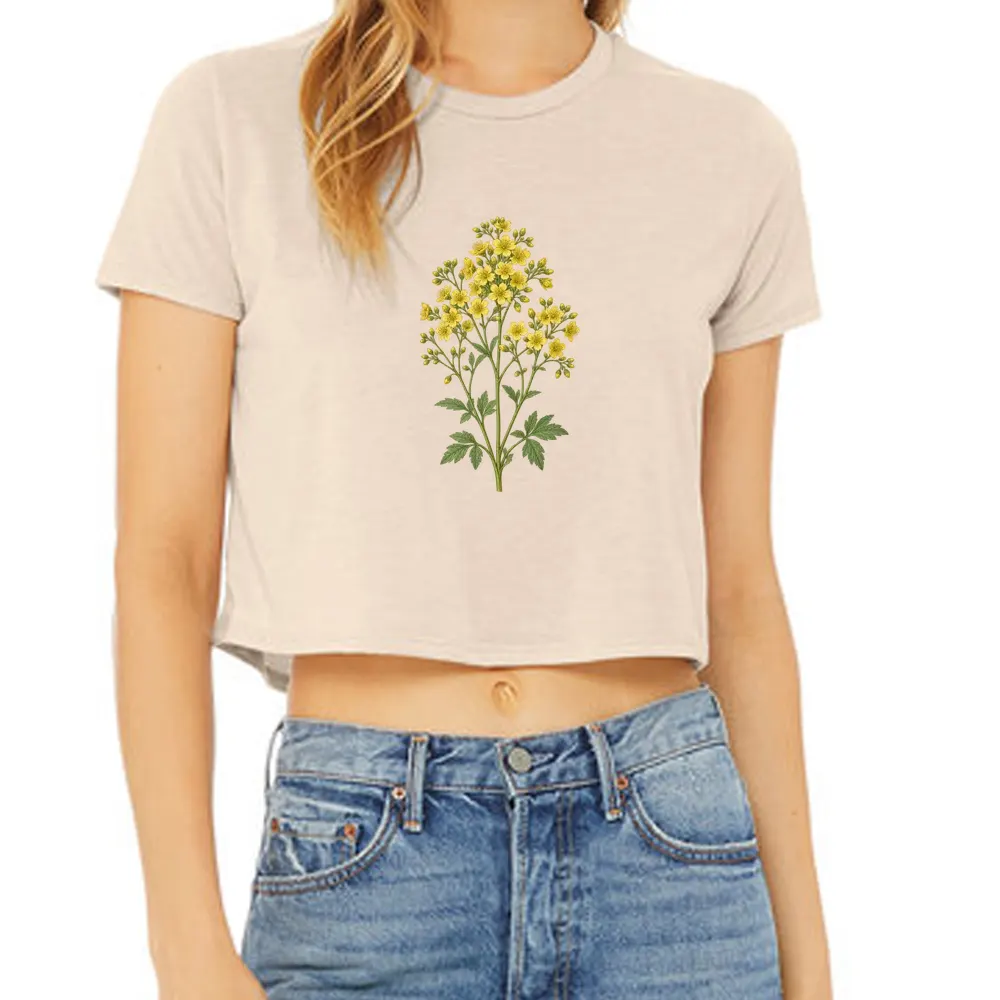
Daisy
$40.00 USD
Created in the tradition of 19th-century botanical plates, then reviewed by hand before it goes anywhere near a shirt. Yours is printed fresh when you order it.
Style: Short Sleeve
Description
This women's tee is made from 6.1 oz 100% ring-spun US cotton in a boxy, slightly cropped mid-length cut. It features a topstitched ribbed collar, shoulder-to-shoulder twill tape, a seamless body, and a double-needle bottom hem. Dyed with OEKO-TEX certified low-impact dyes in a WRAP-certified facility, using a salt-free clean pigment process that uses about half the water of conventional pigment dyeing. Boxy fit, sizes S–2XL — it runs close to the body, so size up for a looser drape. Slight shade variation between garments is normal.
Size Chart
Garment measurements in inches, laid flat.
| Size | Body length | Body width |
|---|---|---|
| S | 20" | 18 1/4" |
| M | 21" | 20 1/4" |
| L | 22" | 22" |
| XL | 23" | 24" |
| 2XL | 24" | 26" |
The blank
Shipping
Returns
Meet daisy
Tanacetum balsamita L.
Costmary carries much of its character in its foliage. Its elongated leaves have a minty, balsamic scent, and young surfaces can look silvery with fine hairs. The plant grows upright from rhizomes, producing a leafy body beneath clusters of small yellow heads. The contrast between scented leaves and compact flower heads gives both foliage and flowering stems distinctive characters. NC State Extension: Costmary
Bloom window
North America
Flora of North America records flowering in August and September for introduced populations. Flora of North America: Tanacetum balsamita
Native range
Its native range runs from the eastern Mediterranean toward Crimea and Iran. It has been introduced widely elsewhere; Flora of North America records it at disturbed sites and around abandoned plantings. Kew POWO: Tanacetum balsamitaFlora of North America: Tanacetum balsamita
Explore this plant's botanical story