French Hydrangea
$40.00 USD
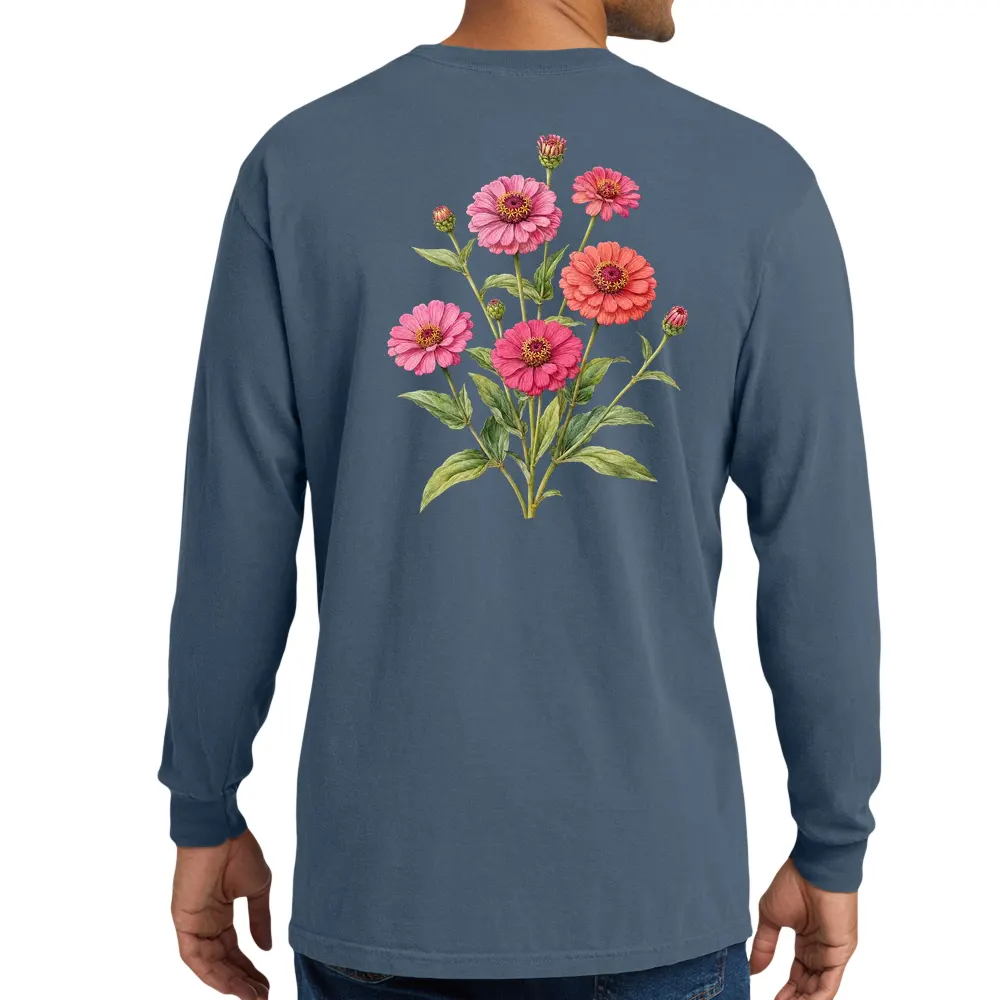
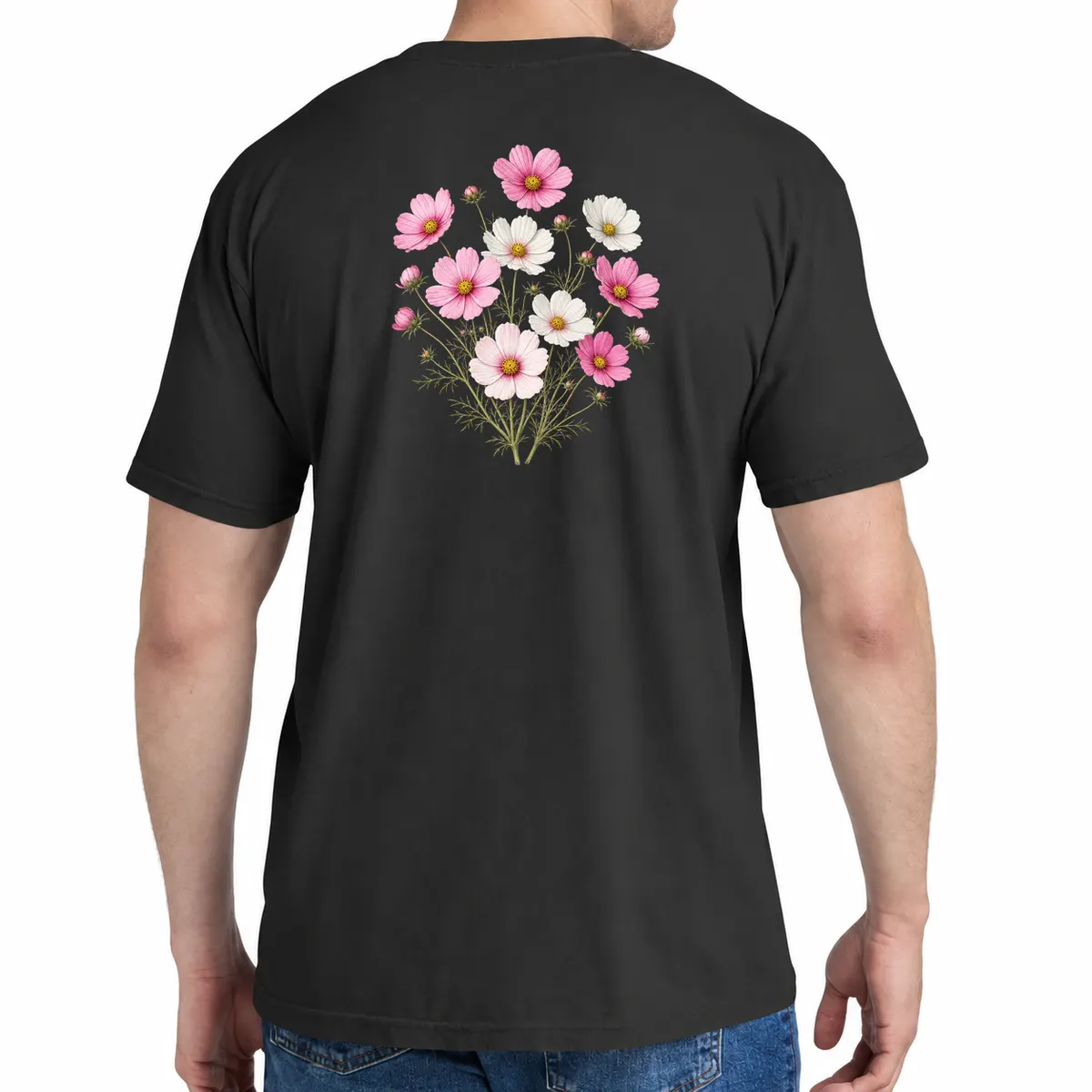
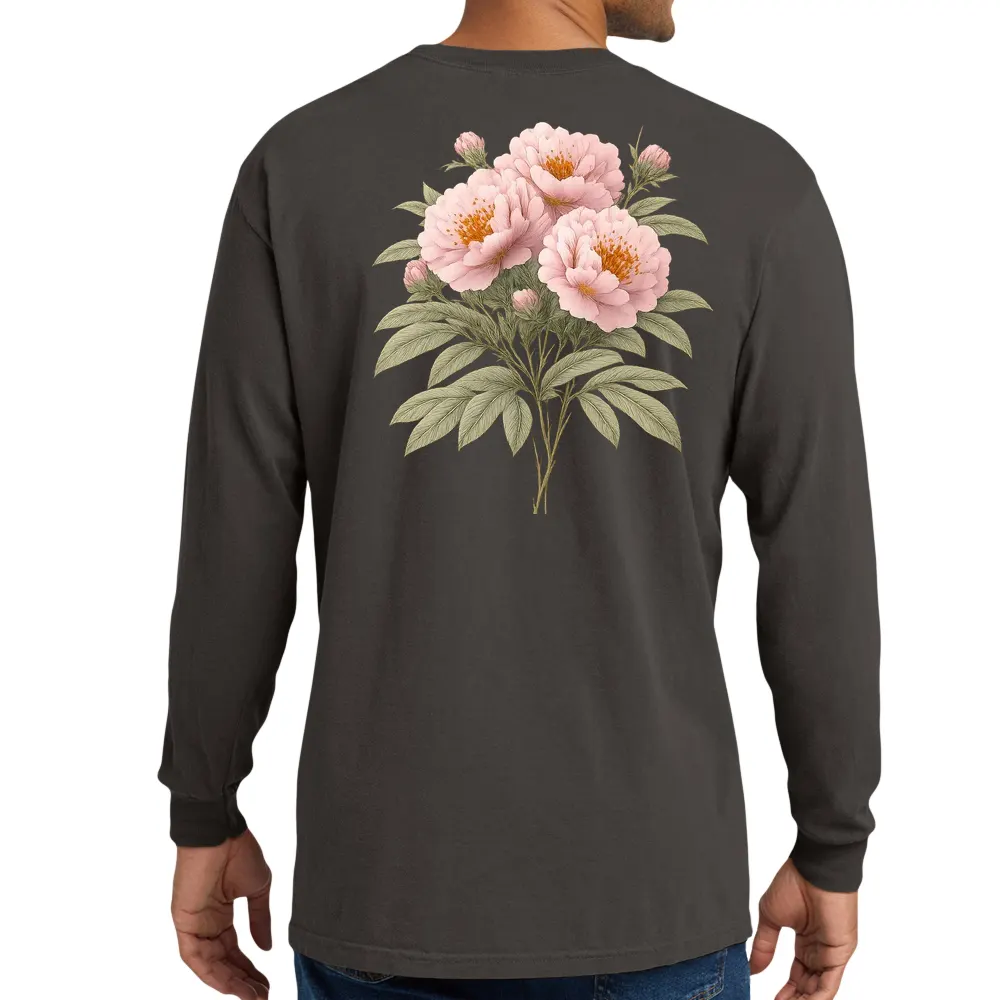
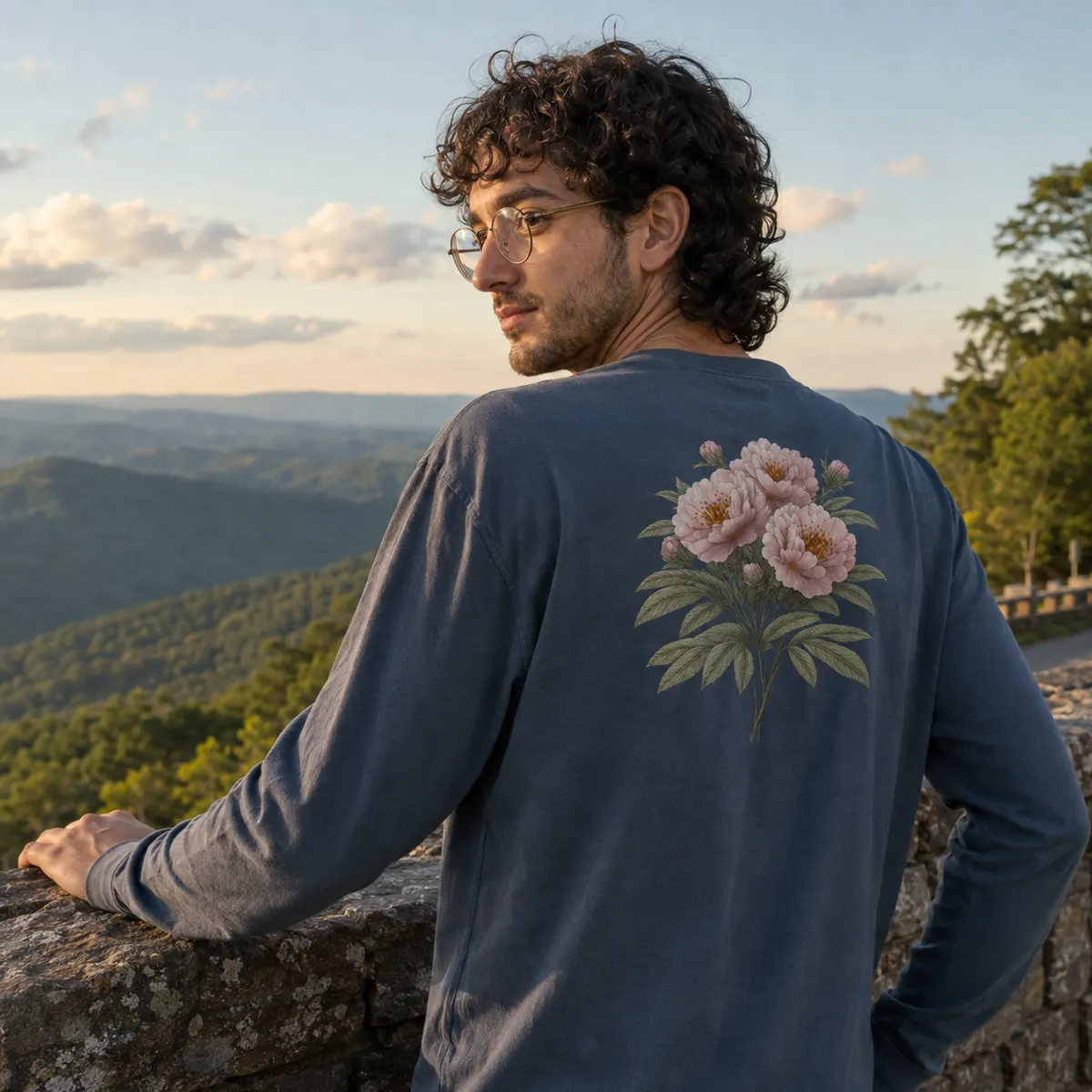
Created in the tradition of 19th-century botanical plates, then reviewed by hand before it goes anywhere near a shirt. Yours is printed fresh when you order it.
Style: Short Sleeve
Description
This women's tee is made from 6.1 oz 100% ring-spun US cotton in a boxy, slightly cropped mid-length cut. It features a topstitched ribbed collar, shoulder-to-shoulder twill tape, a seamless body, and a double-needle bottom hem. Dyed with OEKO-TEX certified low-impact dyes in a WRAP-certified facility, using a salt-free clean pigment process that uses about half the water of conventional pigment dyeing. Boxy fit, sizes S–2XL — it runs close to the body, so size up for a looser drape. Slight shade variation between garments is normal.
Size Chart
Garment measurements in inches, laid flat.
| Size | Body length | Body width |
|---|---|---|
| S | 20" | 18 1/4" |
| M | 21" | 20 1/4" |
| L | 22" | 22" |
| XL | 23" | 24" |
| 2XL | 24" | 26" |
The blank
Shipping
Returns
Meet French hydrangea
Hydrangea macrophylla (Thunb.) Ser.
French hydrangea is a rounded, many-stemmed deciduous shrub, usually about three to six feet tall and wide in gardens. Its cultivars produce either globular mopheads or lacecaps, whose smaller central flowers are surrounded by a ring of larger blossoms. NC State Extension Gardener Plant Toolbox: Hydrangea macrophylla
Bloom window
North Carolina, United States, garden conditions
In North Carolina gardens, flowering is typically in late spring and summer on the previous year’s stems. Reblooming cultivars can make another flush later in summer on new growth. NC State Extension Gardener Plant Toolbox: Hydrangea macrophylla
Native range
The wild species is native to south-central Japan, extending to Izu Ōshima, and to the Kazan Islands. Introduced populations occur far beyond that range, including parts of Europe, China, Korea and New Zealand. Kew Plants of the World Online: Hydrangea macrophylla
Ecological relationships
Non-double lacecap forms attract bees, butterflies, flies and wasps to their flower heads. University of Wisconsin Extension: What’s All the Buzz? Woody Plants for Bees, Butterflies, and Other Bee-t-full Pollinators
Dead, hollow stems can also provide nesting places for native bees after the living shoots have finished their growth. NC State Extension Gardener Plant Toolbox: Hydrangea macrophylla
Explore this plant's botanical story