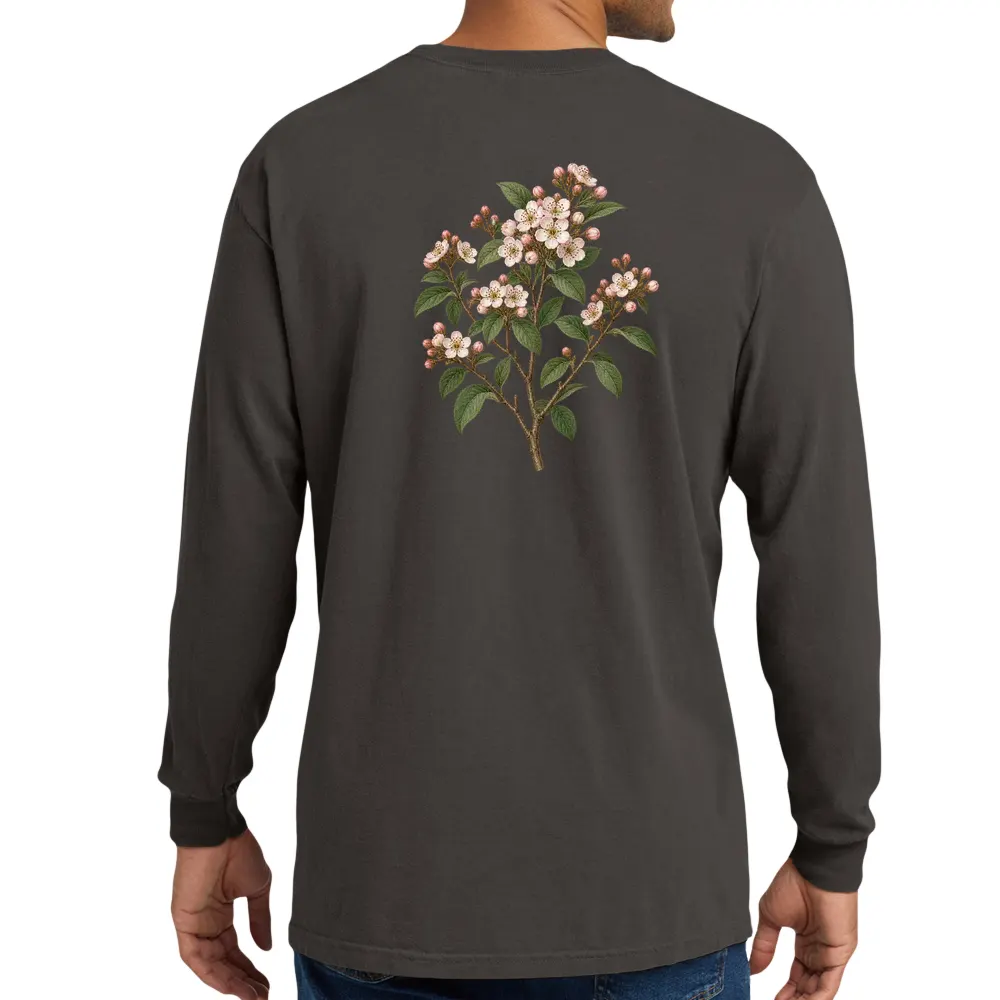
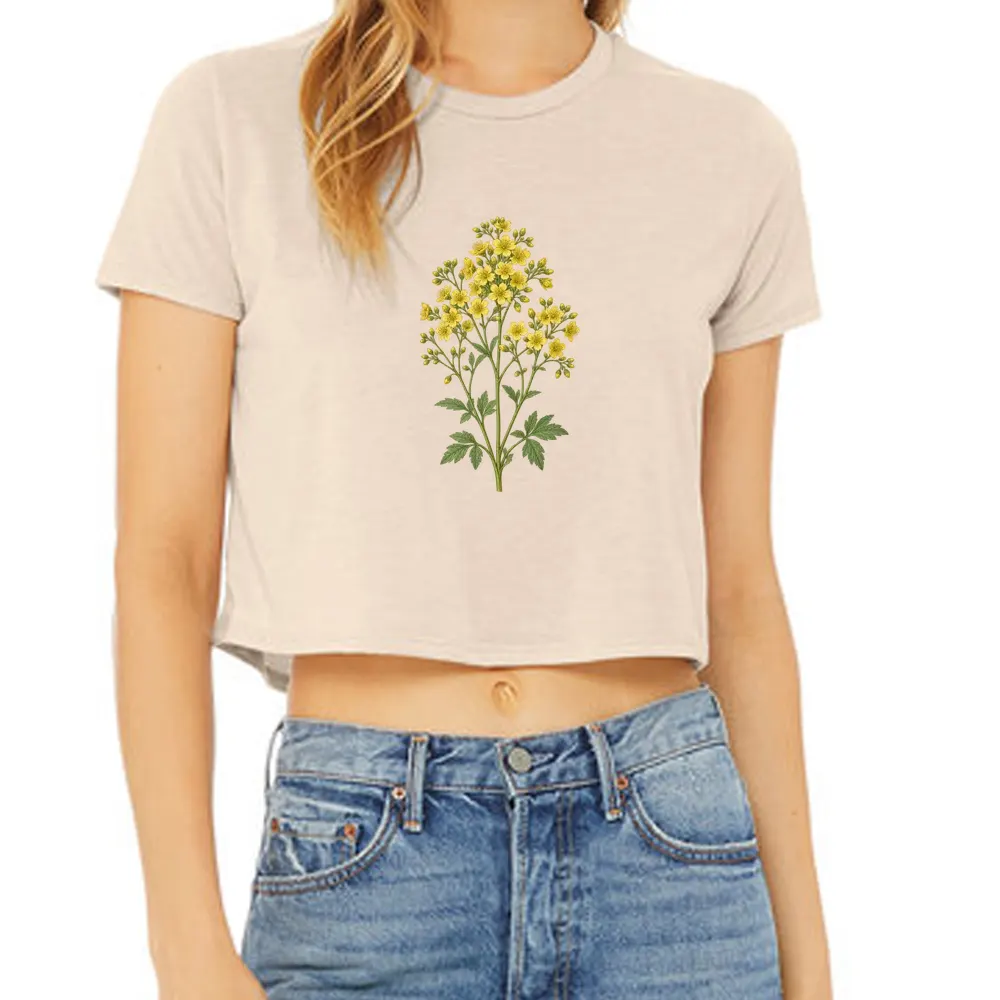
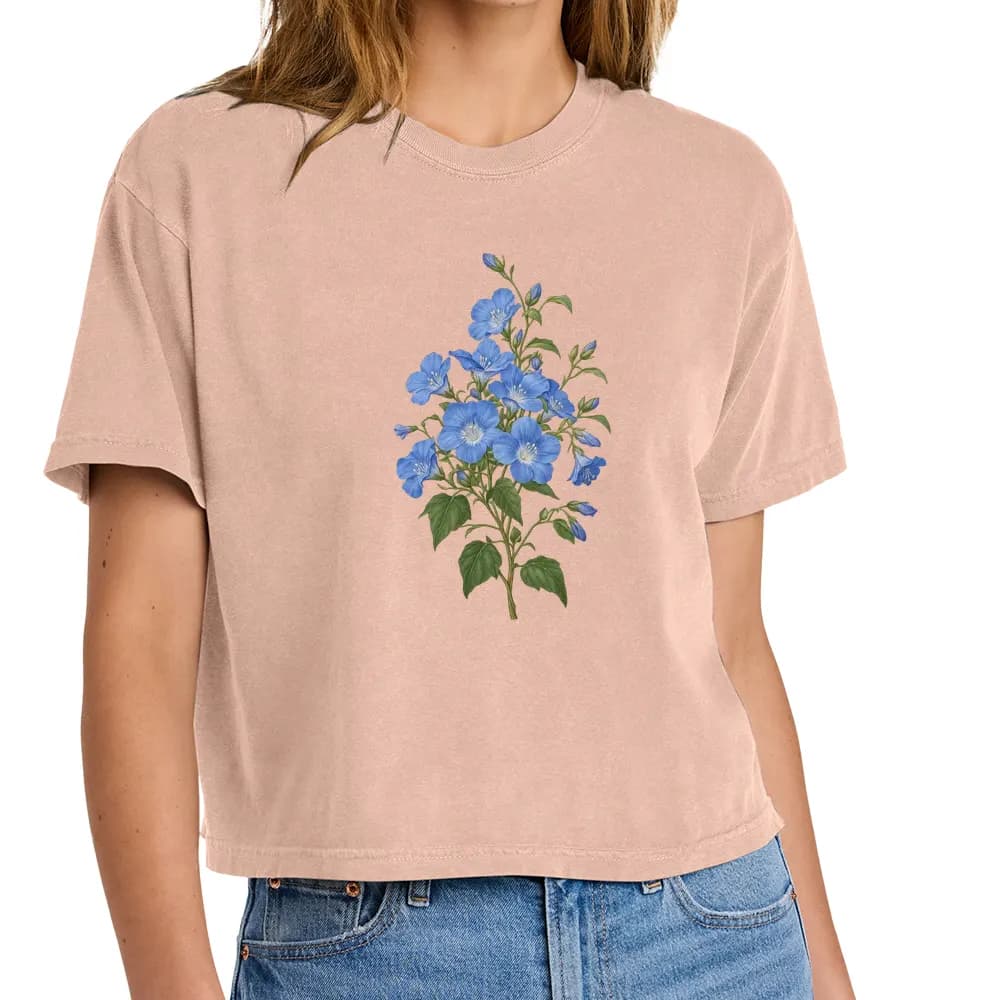
Guiana-chestnut
$40.00 USD
Created in the tradition of 19th-century botanical plates, then reviewed by hand before it goes anywhere near a shirt. Yours is printed fresh when you order it.
Style: Short Sleeve
Description
This women's tee is made from 6.1 oz 100% ring-spun US cotton in a boxy, slightly cropped mid-length cut. It features a topstitched ribbed collar, shoulder-to-shoulder twill tape, a seamless body, and a double-needle bottom hem. Dyed with OEKO-TEX certified low-impact dyes in a WRAP-certified facility, using a salt-free clean pigment process that uses about half the water of conventional pigment dyeing. Boxy fit, sizes S–2XL — it runs close to the body, so size up for a looser drape. Slight shade variation between garments is normal.
Size Chart
Garment measurements in inches, laid flat.
| Size | Body length | Body width |
|---|---|---|
| S | 20" | 18 1/4" |
| M | 21" | 20 1/4" |
| L | 22" | 22" |
| XL | 23" | 24" |
| 2XL | 24" | 26" |
The blank
Shipping
Returns
Meet Guiana-chestnut
Pachira aquatica Aubl.
Guiana-chestnut is a tropical tree of freshwater swamps, riverbanks, estuaries and rainforests. It can reach about eighteen metres in its native habitat. Its large flowers are fragrant at night, and each individual bloom lasts only a day. North Carolina Extension Gardener Plant Toolbox: Pachira aquatica
Seasonal development
Gulf of Mexico coastal plain, Mexico
A study on Mexico’s Gulf coastal plain found that flowers opened at night and produced abundant nectar for nocturnal visitors. Hernández-Montero and Sosa (2016): Reproductive biology of Pachira aquatica
Native range
Its native range runs from Mexico through Central America into tropical South America, reaching Bolivia and northern and northeastern Brazil. Kew places it mainly in the wet tropical biome and records introductions elsewhere, including parts of tropical Africa and the Caribbean. Kew Plants of the World Online: Pachira aquatica
Ecological relationships
In that Mexican study, eight bat species carried pollen. The authors considered Leptonycteris yerbabuenae probably the most effective pollinator because it carried the greatest pollen loads. Hernández-Montero and Sosa (2016): Reproductive biology of Pachira aquatica
Sphingid moths fed on nectar, while bats and honey bees mainly collected pollen, documenting different uses of the same flowers. Hernández-Montero and Sosa (2016): Reproductive biology of Pachira aquatica
Explore this plant's botanical story