Hookedspur Violet
$40.00 USD
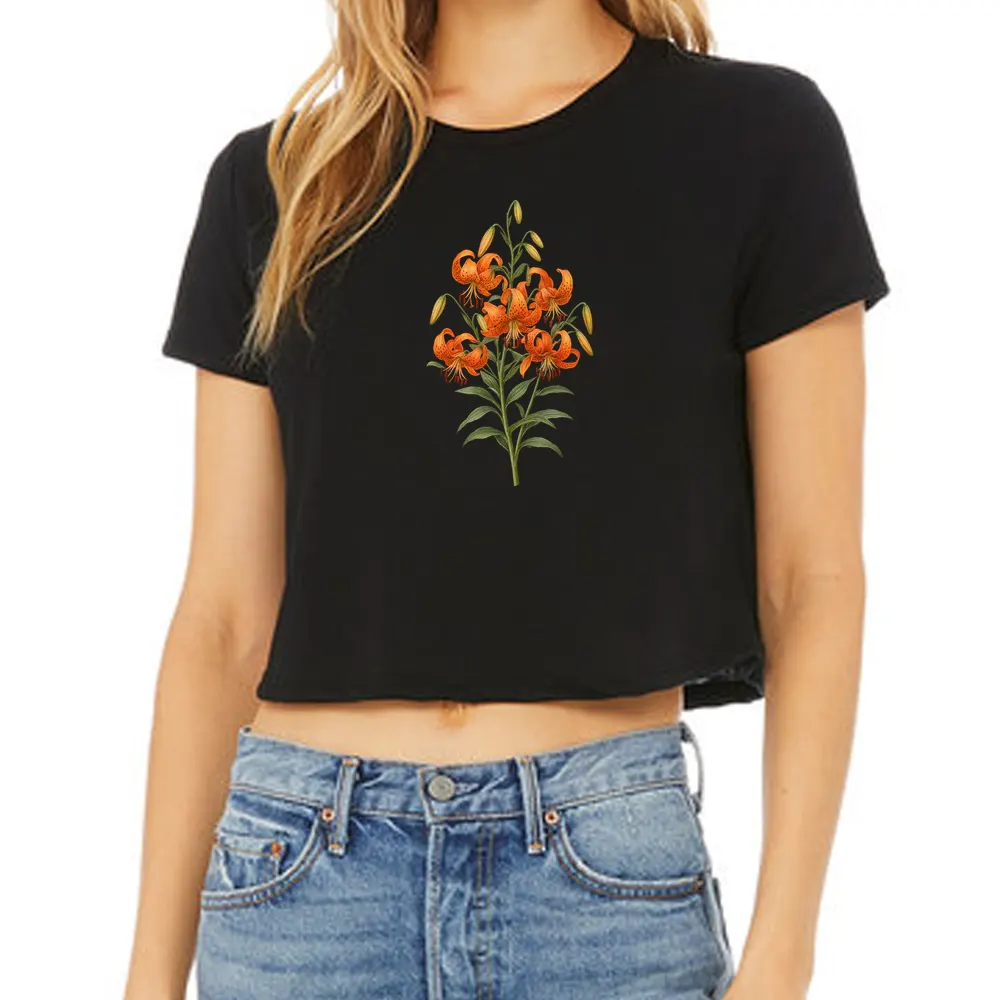
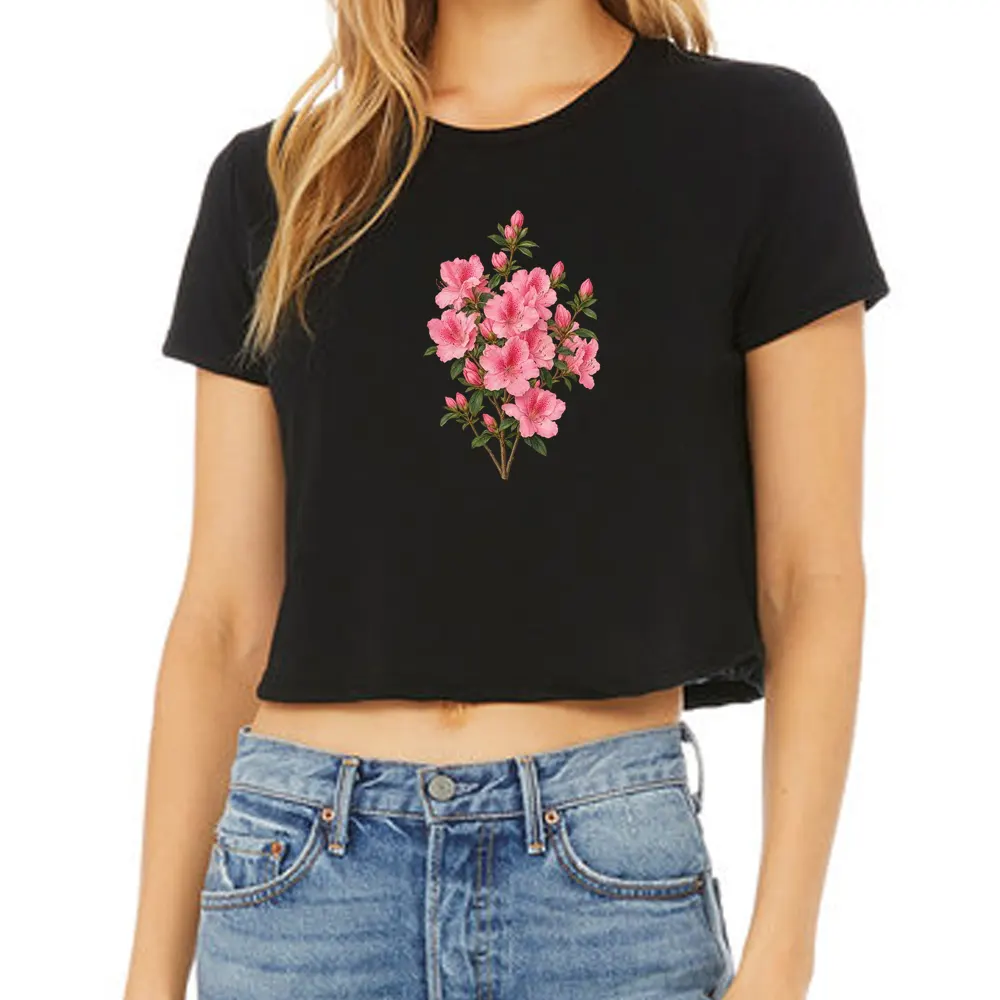
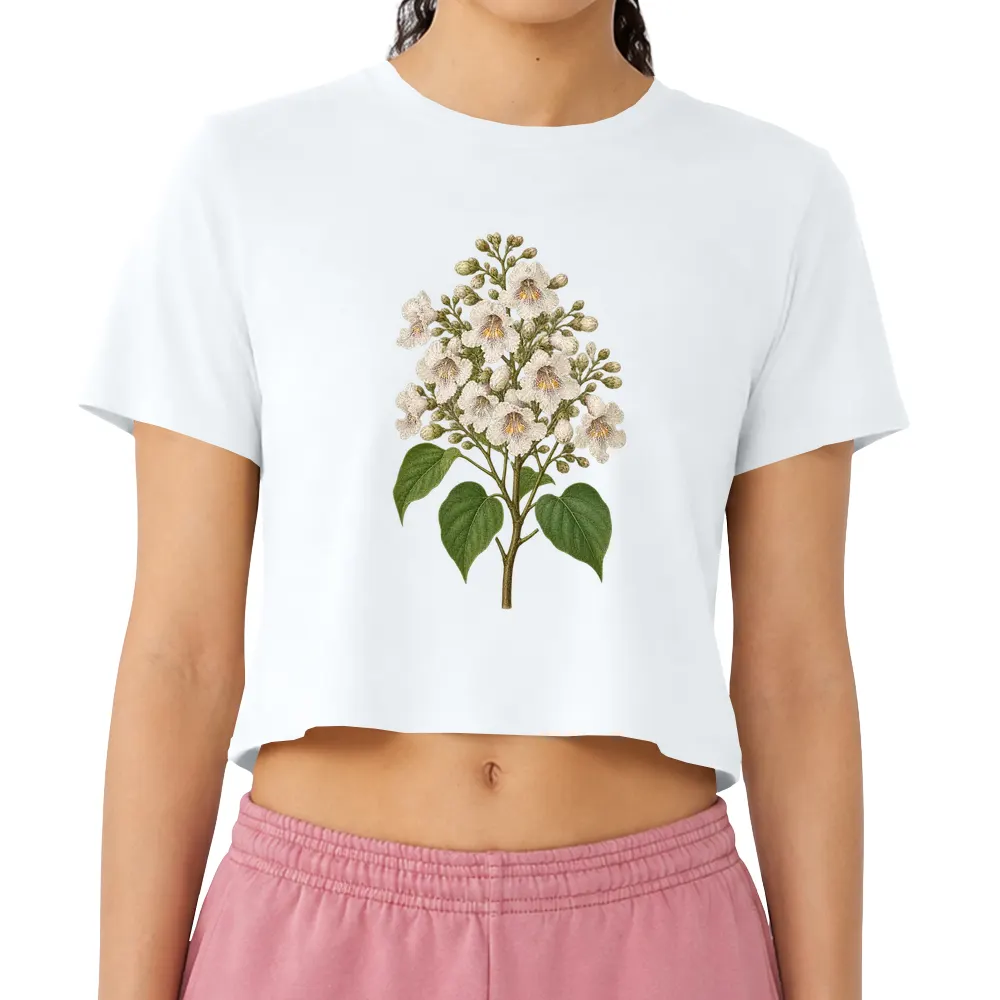
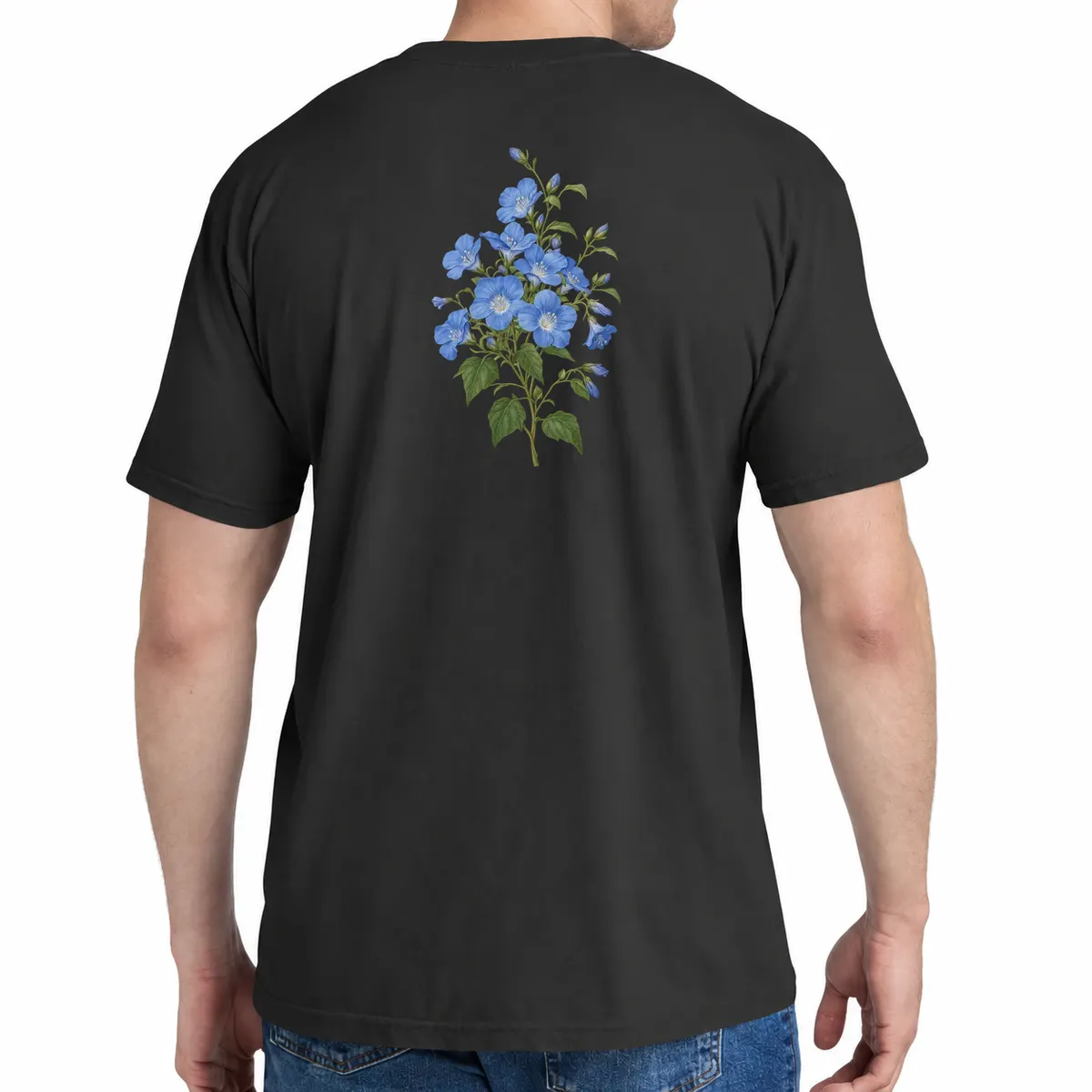
Created in the tradition of 19th-century botanical plates, then reviewed by hand before it goes anywhere near a shirt. Yours is printed fresh when you order it.
Style: Short Sleeve
Description
This women's tee is made from 6.1 oz 100% ring-spun US cotton in a boxy, slightly cropped mid-length cut. It features a topstitched ribbed collar, shoulder-to-shoulder twill tape, a seamless body, and a double-needle bottom hem. Dyed with OEKO-TEX certified low-impact dyes in a WRAP-certified facility, using a salt-free clean pigment process that uses about half the water of conventional pigment dyeing. Boxy fit, sizes S–2XL — it runs close to the body, so size up for a looser drape. Slight shade variation between garments is normal.
Size Chart
Garment measurements in inches, laid flat.
| Size | Body length | Body width |
|---|---|---|
| S | 20" | 18 1/4" |
| M | 21" | 20 1/4" |
| L | 22" | 22" |
| XL | 23" | 24" |
| 2XL | 24" | 26" |
The blank
Shipping
Returns
Meet hookedspur violet
Viola adunca Sm.
Hookedspur violet grows from slender rhizomes, forming a low perennial with blue to deep-violet flowers. The Washington flora describes plants ranging from almost stemless tufts to short leafy stems. Its leaves vary from heart-shaped to narrower, egg-shaped or lance-shaped outlines, with rounded teeth along their margins. Burke Herbarium, University of Washington: Viola adunca
Bloom window
Washington State
The regional flora records flowers from April through August. Burke Herbarium, University of Washington: Viola adunca
Native range
Kew records a broad North American range extending from subarctic regions south into northern Mexico. In Washington it occurs on both sides of the Cascade Range, in dry to moist meadows and open woods from lowlands into the subalpine zone. Kew POWO: Viola aduncaBurke Herbarium, University of Washington: Viola adunca
Ecological relationships
In Oregon’s coastal grasslands, its leaves feed Oregon silverspot butterfly caterpillars, linking the violet directly to this butterfly’s life cycle. US Fish and Wildlife Service: Protecting Oregon’s rare butterflies and their host plants
Explore this plant's botanical story