Indian Valley Sedge
$40.00 USD
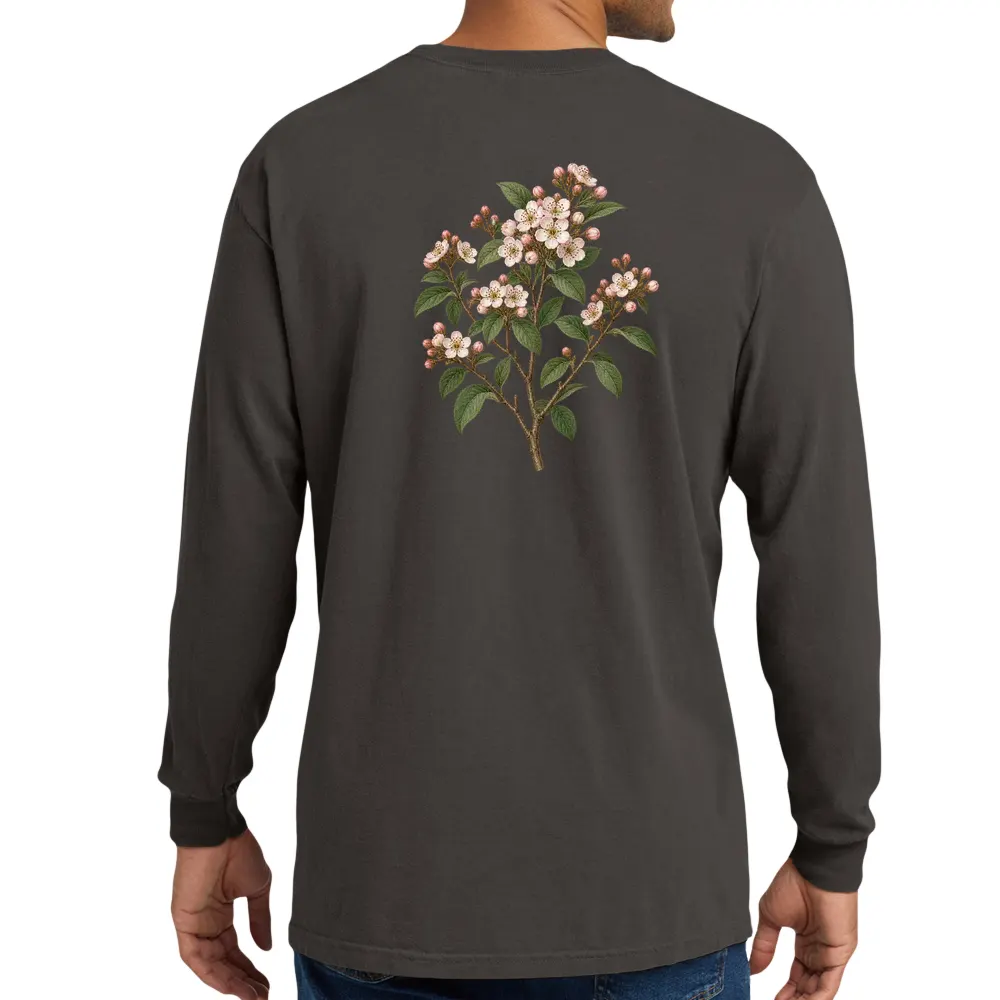
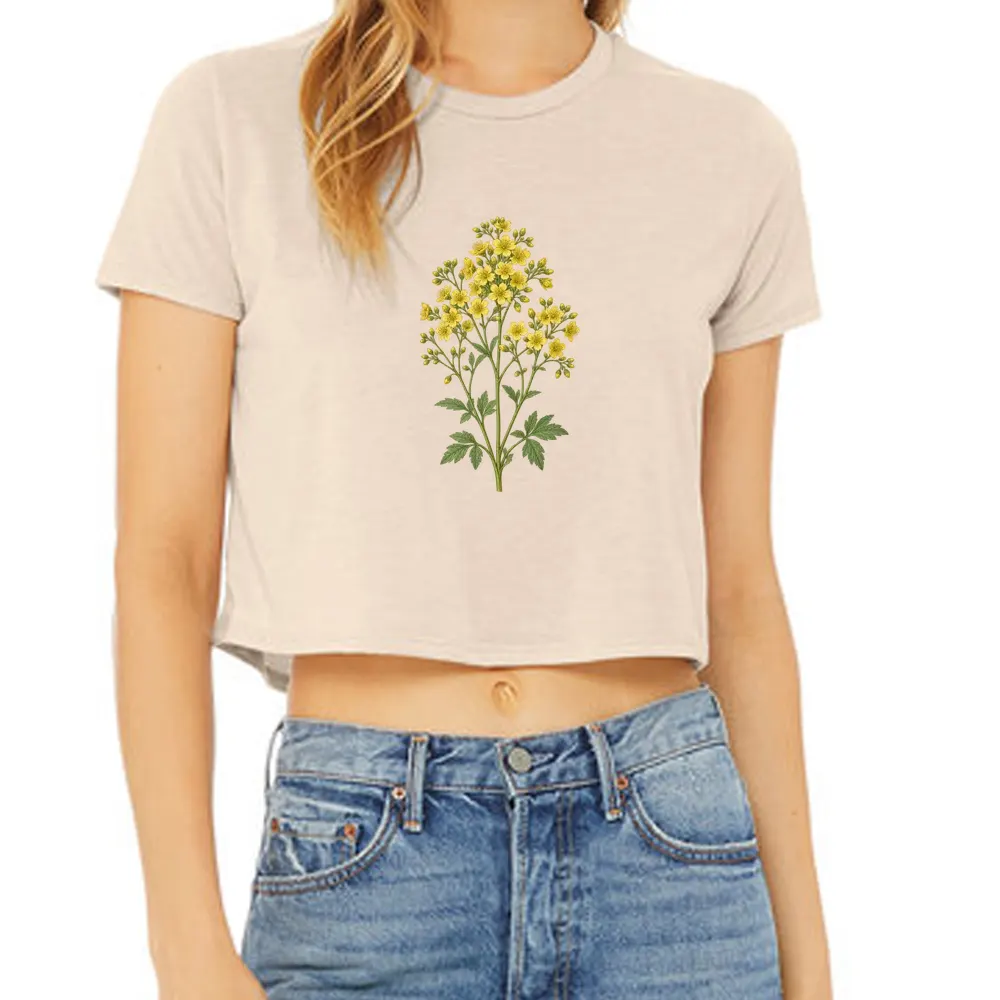
Created in the tradition of 19th-century botanical plates, then reviewed by hand before it goes anywhere near a shirt. Yours is printed fresh when you order it.
Style: Short Sleeve
Description
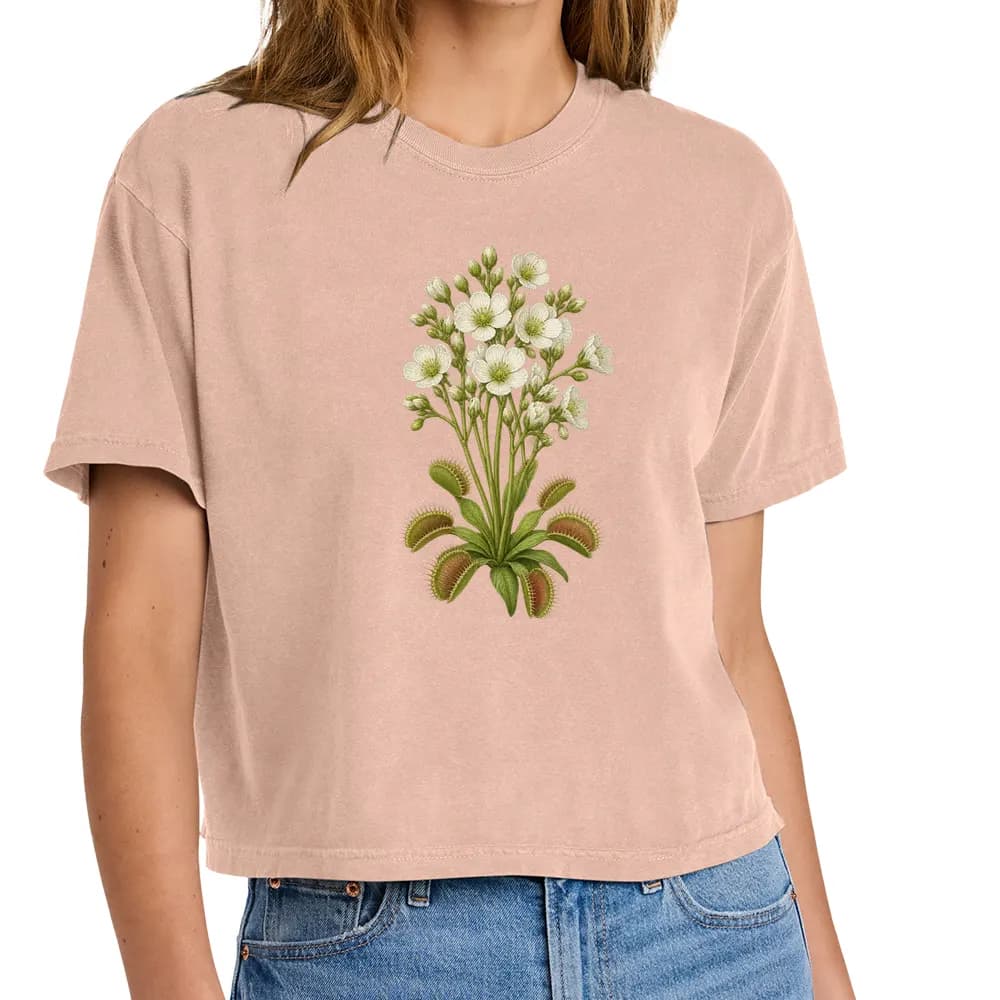
This women's tee is made from 6.1 oz 100% ring-spun US cotton in a boxy, slightly cropped mid-length cut. It features a topstitched ribbed collar, shoulder-to-shoulder twill tape, a seamless body, and a double-needle bottom hem. Dyed with OEKO-TEX certified low-impact dyes in a WRAP-certified facility, using a salt-free clean pigment process that uses about half the water of conventional pigment dyeing. Boxy fit, sizes S–2XL — it runs close to the body, so size up for a looser drape. Slight shade variation between garments is normal.
Size Chart
Garment measurements in inches, laid flat.
| Size | Body length | Body width |
|---|---|---|
| S | 20" | 18 1/4" |
| M | 21" | 20 1/4" |
| L | 22" | 22" |
| XL | 23" | 24" |
| 2XL | 24" | 26" |
The blank
Shipping
Returns
Meet Indian Valley sedge
Carex aboriginum M.E. Jones
Indian Valley sedge has a story of rediscovery as well as a distinctive flower head. Collected in Idaho in 1899, Carex aboriginum was not seen again until 1999, when material was found near the original locality. New collections allowed botanists to compare the living plant with its preserved specimens and study a sedge that had long been known chiefly from its original gathering. Flora of North America: Carex aboriginum
Bloom window
west-central Idaho, United States
In west-central Idaho, flowering was observed from mid-May into early June, with fruits maturing during June; timing varied between years. Idaho Fish and Game: Field Surveys for Carex aboriginum (2003)
Native range
Native to Idaho, it occupies seasonally moist ground rather than permanently flooded marsh. State field surveys describe alluvial terraces, seeps and meadow patches near intermittent streams. Its habitat lies in a narrow transition between wetter ground and dry uplands, making both season and soil moisture central to understanding where it grows. Kew POWO: Carex aboriginumIdaho Fish and Game: Field Surveys for Carex aboriginum (2003)
Explore this plant's botanical story