Mapleleaf Viburnum
$40.00 USD
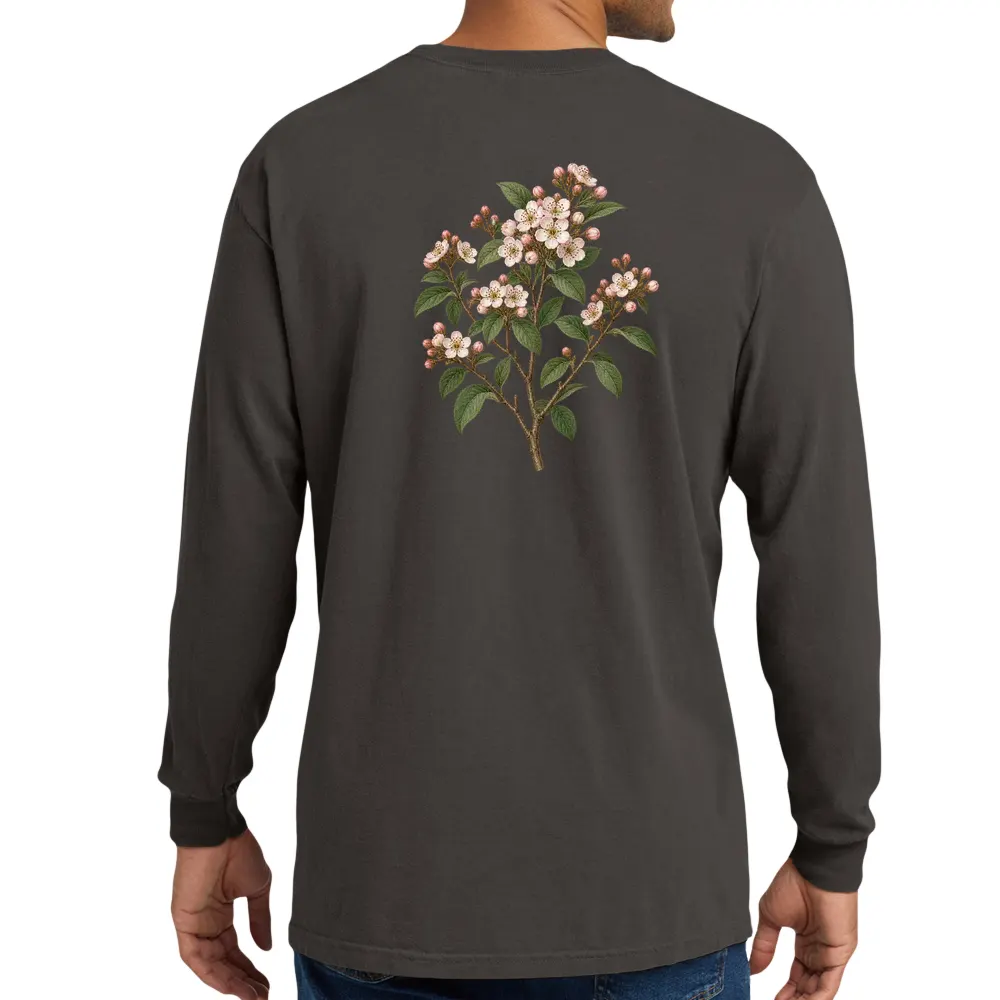
Created in the tradition of 19th-century botanical plates, then reviewed by hand before it goes anywhere near a shirt. Yours is printed fresh when you order it.
Style: Short Sleeve
Description
This women's tee is made from 6.1 oz 100% ring-spun US cotton in a boxy, slightly cropped mid-length cut. It features a topstitched ribbed collar, shoulder-to-shoulder twill tape, a seamless body, and a double-needle bottom hem. Dyed with OEKO-TEX certified low-impact dyes in a WRAP-certified facility, using a salt-free clean pigment process that uses about half the water of conventional pigment dyeing. Boxy fit, sizes S–2XL — it runs close to the body, so size up for a looser drape. Slight shade variation between garments is normal.
Size Chart
Garment measurements in inches, laid flat.
| Size | Body length | Body width |
|---|---|---|
| S | 20" | 18 1/4" |
| M | 21" | 20 1/4" |
| L | 22" | 22" |
| XL | 23" | 24" |
| 2XL | 24" | 26" |
The blank
Shipping
Returns
Meet mapleleaf viburnum
Viburnum acerifolium L.
Mapleleaf viburnum is a small deciduous woodland shrub that spreads by suckers. It commonly reaches four to six feet high in the North Carolina account. Its tolerance of shade and relatively dry soil allows it to occupy woodland settings where many showier flowering shrubs struggle. NC State Extension: Viburnum acerifolium
Seasonal development
North Carolina extension account
Flowers appear in April–June; fruits develop in August–October and can persist into winter. NC State Extension: Viburnum acerifolium
Native range
Its native range extends from southeastern Canada through the central and eastern United States. In North Carolina it is associated with the Piedmont and mountains, growing in the understory of moist or dry woods. Kew POWO: Viburnum acerifoliumNC State Extension: Viburnum acerifolium
Ecological relationships
Songbirds, grouse, wild turkeys and squirrels eat its fruits. NC State Extension: Viburnum acerifolium
Explore this plant's botanical story