cutthroat grass
Coleataenia abscissa (Swallen) LeBlond
Cutthroat grass can form the dominant ground layer in Florida wet flatwoods, prairies and seepage areas. Its grasslands depend on both water movement and fire: growing-season burns encourage flowering and reduce competition from woody plants, while disturbances upslope can alter the seepage it needs. Florida Natural Areas Inventory: Cutthroatgrass field guide
Botanical name
Kew accepts Coleataenia abscissa in Poaceae and lists the stored name Panicum abscissum as a homotypic synonym. This profile adopts Kew’s species treatment. Kew Plants of the World Online: Coleataenia abscissa
Recognizing the plant
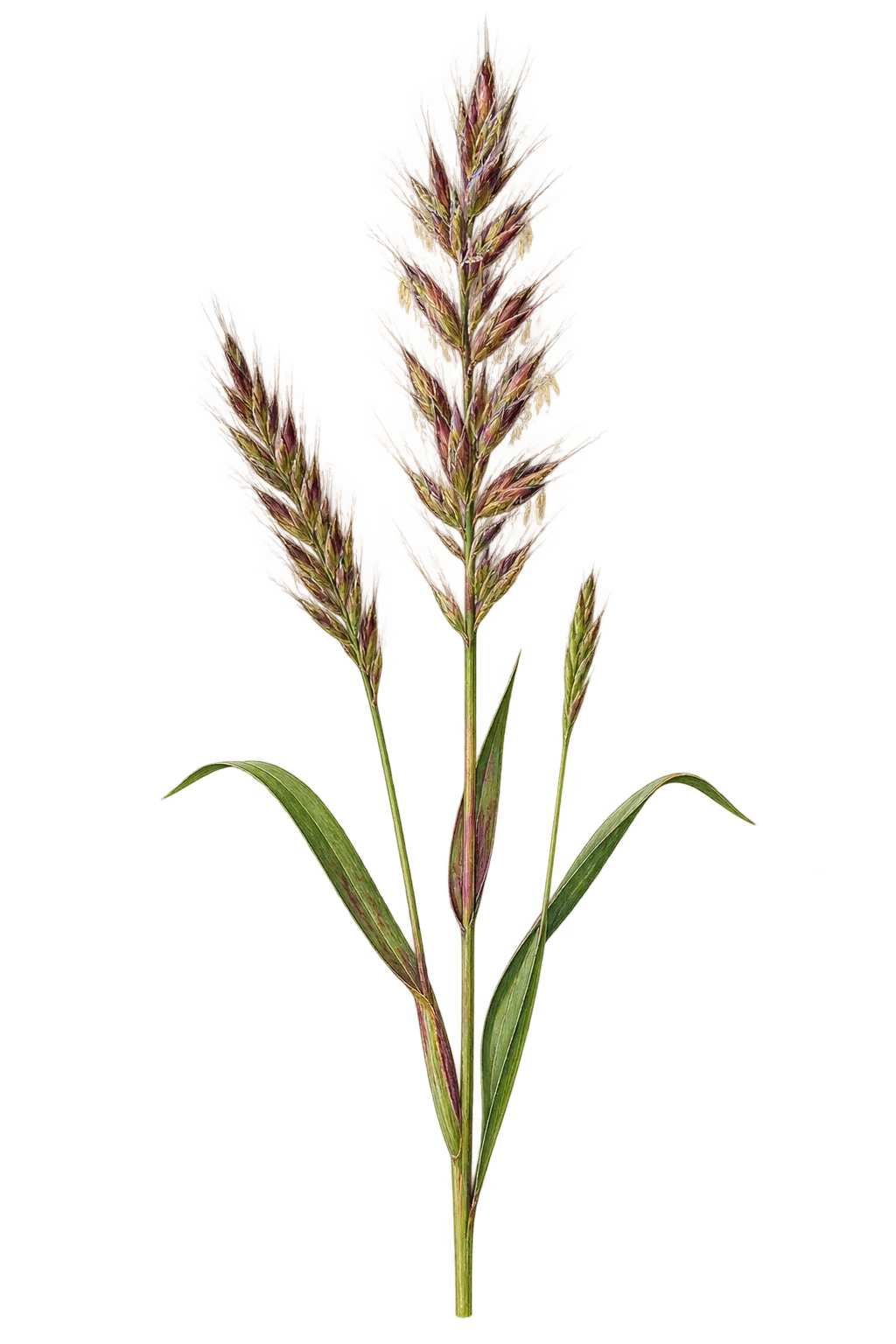
The grass reaches roughly two to four feet tall and carries an open, purple flower-and-seed cluster about eight to ten inches long. Its long, narrow leaves have a central keel and twist as they dry. Broad, overlapping leaf sheaths end abruptly where the blades begin. USDA NRCS: Cutthroat Grass Plant Fact Sheet
Seasonal development
Florida, United States
USDA reports that most new foliage develops in March, April and May. Seedheads emerge in June, followed by seed ripening in late July and early August. USDA NRCS: Cutthroat Grass Plant Fact Sheet
Native range
This species is native only to central and south-central Florida. Kew treats it as a perennial of the subtropical biome, placing its restricted distribution entirely within that state. Kew Plants of the World Online: Coleataenia abscissa
Ecological relationships
Deer graze cutthroat grass during spring, and cattle feed on it throughout the year. USDA NRCS: Cutthroat Grass Plant Fact Sheet
Botanical sources
- Kew Plants of the World Online: Coleataenia abscissa
- Florida Natural Areas Inventory: Cutthroatgrass field guide
- USDA NRCS: Cutthroat Grass Plant Fact Sheet
Reviewed 2026-10-11. Seasonal development varies with location and growing conditions.