Scarlet Beebalm
$40.00 USD
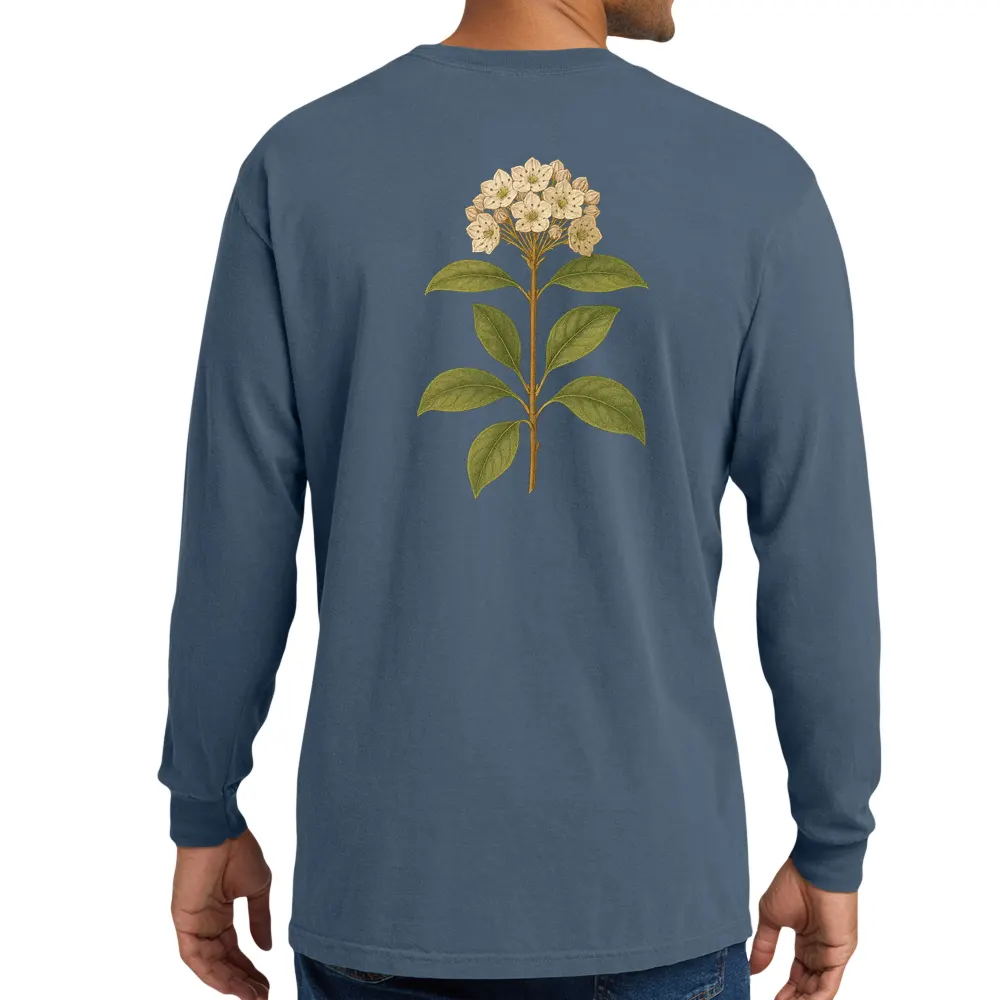
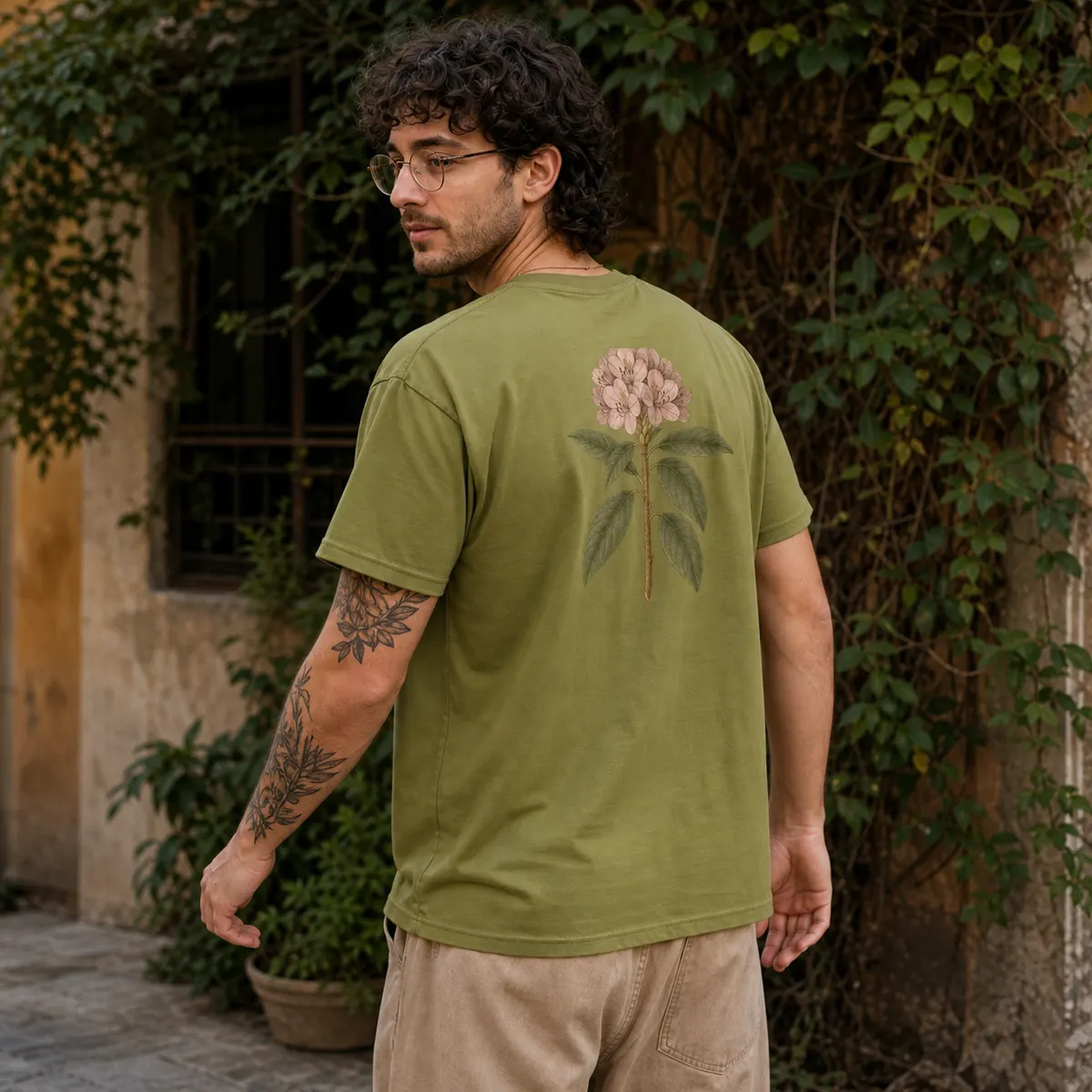
Created in the tradition of 19th-century botanical plates, then reviewed by hand before it goes anywhere near a shirt. Yours is printed fresh when you order it.
Style: Short Sleeve
Description
This women's tee is made from 6.1 oz 100% ring-spun US cotton in a boxy, slightly cropped mid-length cut. It features a topstitched ribbed collar, shoulder-to-shoulder twill tape, a seamless body, and a double-needle bottom hem. Dyed with OEKO-TEX certified low-impact dyes in a WRAP-certified facility, using a salt-free clean pigment process that uses about half the water of conventional pigment dyeing. Boxy fit, sizes S–2XL — it runs close to the body, so size up for a looser drape. Slight shade variation between garments is normal.
Size Chart
Garment measurements in inches, laid flat.
| Size | Body length | Body width |
|---|---|---|
| S | 20" | 18 1/4" |
| M | 21" | 20 1/4" |
| L | 22" | 22" |
| XL | 23" | 24" |
| 2XL | 24" | 26" |
The blank
Shipping
Returns
Meet scarlet beebalm
Monarda didyma L.
Scarlet beebalm forms expanding patches as underground stolons send up new shoots. Crushing a leaf releases its minty scent. The epithet didyma refers to paired flowers, although the pairing becomes difficult to see as more blossoms open within each crowded head. NC State Extension: Monarda didyma
Bloom window
North Carolina
In North Carolina, flowers open from July through September. Vascular Plants of North Carolina: Scarlet beebalm
Native range
The native range extends from eastern Canada south through the Appalachians to northern Georgia. In North Carolina it grows mainly in the mountains, on wooded stream banks, forested seepages and damp boulderfield slopes. Vascular Plants of North Carolina: Scarlet beebalm
Ecological relationships
Visitors include bumblebees, swallowtail butterflies and ruby-throated hummingbirds. NC State Extension: Monarda didyma
Its foliage supports larvae of the hermit sphinx, orange mint moth and raspberry pyrausta. NC State Extension: Monarda didyma
Native bees nest in its dead, hollow stems. NC State Extension: Monarda didyma
Explore this plant's botanical story